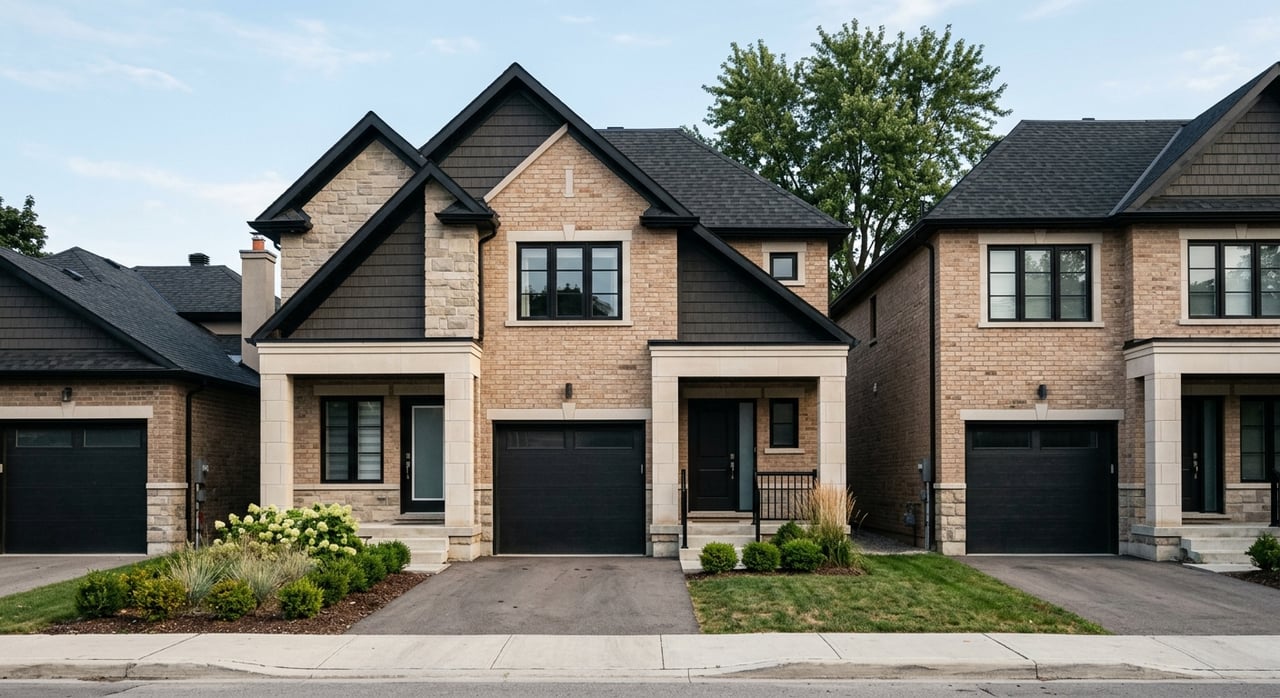
Jersey Village Townhome vs House: How to Choose
May 28, 2026
May 28, 2026
If you are trying to choose between a townhome and a single-family home in Jersey Village, you are not alone. For many buyers, this decision is less about which option is “better” and more about which one fits your daily life, budget comfort, and future plans. In a market with 3.7 months of inventory, an average of 41 days on market, and a median sold price of $365,761 as of May 2026, the right choice often comes down to maintenance, outdoor space, and flexibility. Let’s dive in.
Jersey Village gives you options, but it is not a market where one property type clearly wins for everyone. With current inventory and days on market sitting in a relatively balanced range, you have room to compare homes thoughtfully instead of rushing into a one-size-fits-all decision.
That matters because the townhome versus single-family choice is often about how you want to live. If you want less exterior upkeep and a simpler footprint, a townhome may feel like a smart fit. If you want more privacy, yard space, or room to make changes over time, a detached home may make more sense.
At a high level, a townhome in Jersey Village is usually an attached home with a more compact layout and shared-wall design. In HAR MLS terms, townhouse-condominium properties are generally listed as Class 2, while a detached home is generally listed as Class 1.
That said, the MLS label is only the starting point. It helps you identify the general property type, but it does not tell you the full ownership structure, maintenance responsibilities, or association obligations. For that, you need to review the title and community documents carefully.
In Jersey Village, local zoning standards shape how these homes are built and what they may allow over time. Single-family homes in District A are subject to rules that include 25-foot front and rear setbacks, 7.5-foot side setbacks, a height cap of two-and-one-half stories or 35 feet, minimum building area requirements, and at least two parking spaces per dwelling unit.
Townhouse and patio-home districts are different. Current code shows 25-foot front setbacks, 16-foot rear setbacks, 7.5-foot side setbacks, a 1,400-square-foot minimum building area, a two-story or 30-foot height cap, and the option for a zero-foot side setback on the shared-wall side when there is a common firewall.
For you as a buyer, that can affect how much breathing room a property has and how much flexibility you may have later. Detached homes often offer more room for additions or accessory structures if the lot and setbacks allow, while attached homes usually come with tighter physical limits because of shared walls and building form.
One of the biggest reasons buyers consider a townhome is maintenance. In many cases, a property owners association handles at least some common-area or exterior responsibilities, which can mean less lawn work and fewer outside chores for you.
But this is where buyers need to slow down and verify the details. Texas Property Code Chapter 207 requires HOA properties to provide current restrictions, bylaws, rules, and a resale certificate, and the TREC addendum for mandatory HOA properties notes that the association may have sole responsibility for certain repairs. The key word is may.
A detached single-family home usually means you take on more direct responsibility for the exterior and yard. That can include landscaping, fence upkeep, outdoor improvements, and general maintenance decisions.
The tradeoff is freedom. If you want more say over your yard, patio, shed, pool plans, or future additions, a detached home often gives you more room to make those choices, assuming the lot, setbacks, and any deed restrictions allow it.
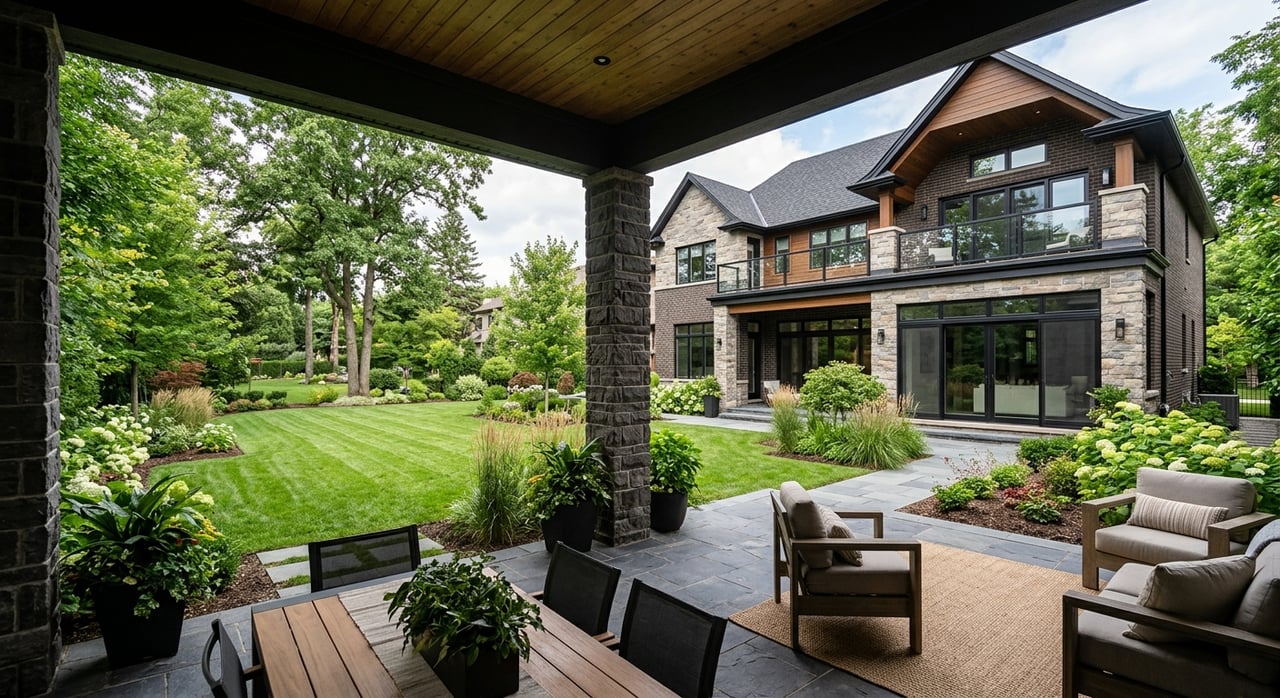
For many Jersey Village buyers, outdoor space is where the difference becomes easiest to picture. Detached single-family homes usually have the more traditional yard setup, while townhomes and patio homes are often designed with tighter lot conditions.
Local code allows townhouses to have a zero-foot side setback on the shared-wall side, along with required firewalls between abutting buildings. That can create a more compact feel than what you might find with a detached home.
If you want space for pets, gardening, outdoor entertaining, or future backyard projects, verify the lot itself rather than relying on listing photos. Photos can make a space feel larger than it is, and the actual lot layout matters much more than the marketing angle.
Some buyers assume a single-family home automatically means better parking, but Jersey Village code does not make that distinction. The city requires at least two parking spaces per dwelling unit for single-family homes, townhouses, and patio homes.
So the real question is not the minimum count. The real question is how usable those spaces are in everyday life, and whether the HOA adds rules for guest parking, street parking, trailer storage, or garage and driveway use.
If you have multiple drivers, frequent visitors, or larger vehicles, this step matters. A home can meet the city requirement and still feel tight for your routine if the community rules limit how parking works in practice.
A listing may say “townhome,” but that word alone does not tell you who maintains the roof, exterior walls, driveway, fence, lawn, or shared areas. That is why the resale certificate and governing documents matter so much.
For attached homes, useful documents often include the TREC subdivision information and resale certificate form for mandatory HOA properties. If the property is structured as a condominium, the condominium resale certificate may also apply.
The HOA resale certificate can help you understand:
These details help you see the full cost and responsibility picture before you commit. They can also help you avoid surprises after closing.
If you are comparing a townhome and a detached home, it helps to follow a clear process. That keeps the decision grounded in facts instead of assumptions.
A practical workflow is:
This process is especially helpful for first-time buyers who may not realize how different one townhome community can be from another. Two attached homes can look similar online and still have very different monthly obligations and maintenance structures.
A townhome may be a better fit if you want a more compact home and less exterior work in your routine. It can also make sense if you prefer a simpler setup and are comfortable with shared walls or more structured community rules.
This option often appeals to first-time buyers, downsizers, and buyers who do not want a large yard to manage. The key is making sure the HOA documents actually match the low-maintenance lifestyle you expect.
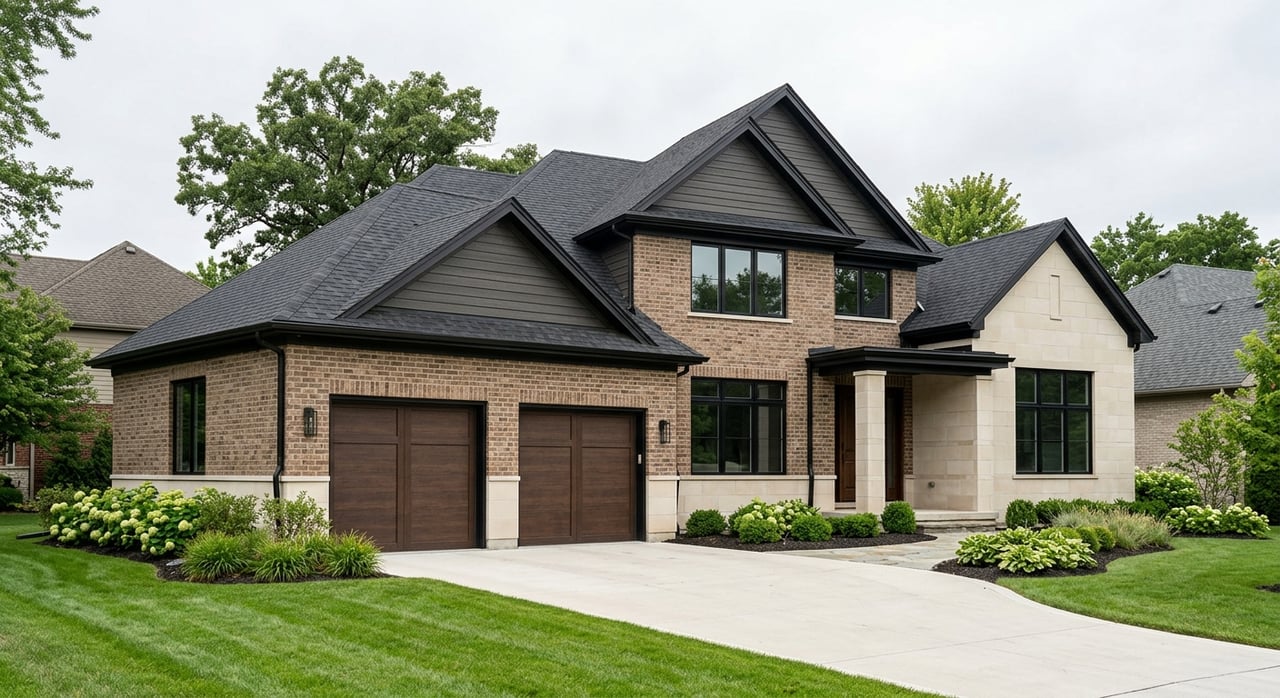
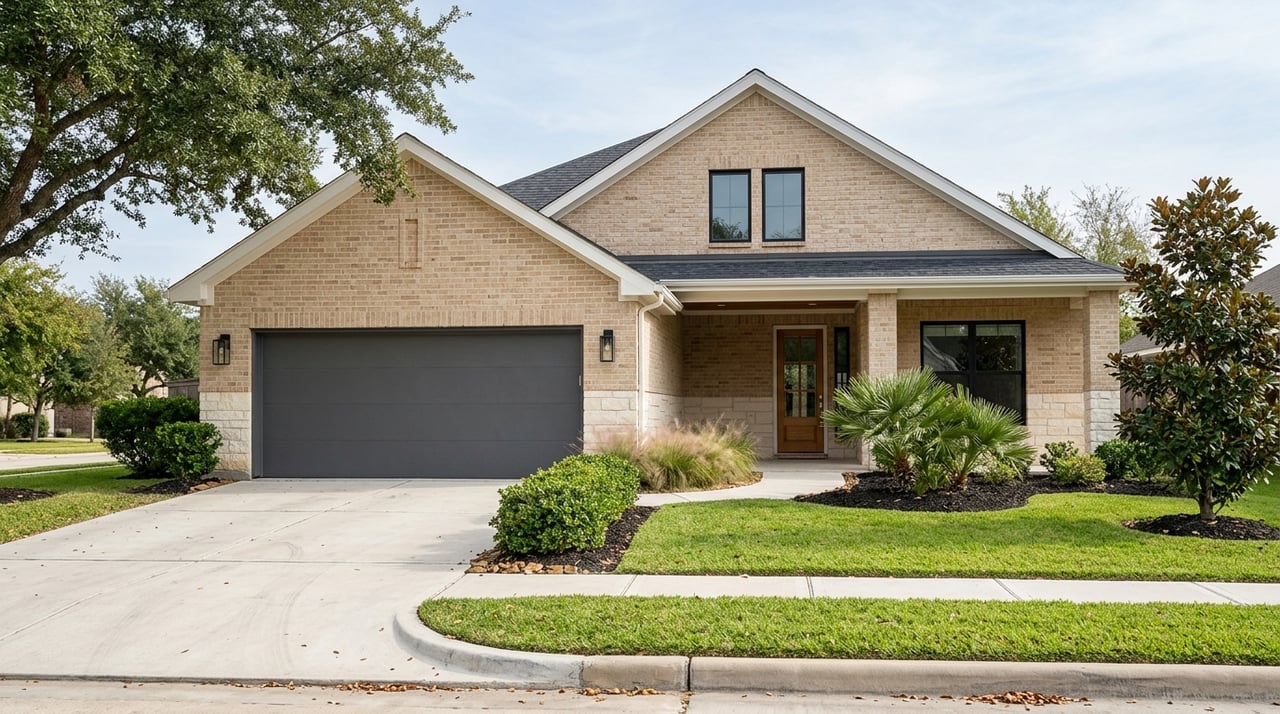
A detached single-family home may be a better fit if you value privacy, more outdoor space, and greater freedom to shape the property over time. It may also suit you better if your household needs more flexibility for parking, storage, pets, or future projects.
This option often appeals to buyers thinking long term. If you want your home to adapt with your life over the years, the added space and control can be a major advantage.
Before you choose either property type in Jersey Village, ask these practical questions:
These questions can bring clarity fast. Often, the right answer becomes obvious once you stop comparing square footage alone and start comparing how each home supports your day-to-day life.
In Jersey Village, a townhome is often the better fit if you want less exterior work, fewer yard obligations, and a more compact footprint. A detached single-family home is often the better fit if you want privacy, outdoor space, and more room to modify the property over time.
Neither choice is automatically right or wrong. The best fit depends on how you live now, what responsibilities you want to take on, and how much flexibility you want in the years ahead.
If you want help comparing homes, reviewing what the listing details really mean, and narrowing your options with confidence, The Abiaka Team is here to guide you every step of the way.
Stay up to date on the latest real estate trends.
Ready to make your move? Start your journey with The Abiaka Team today. Whether you're a first-time homebuyer or seasoned investor, we're here to guide you through the process. Reach out to us, and let’s take the first step toward finding your dream home.