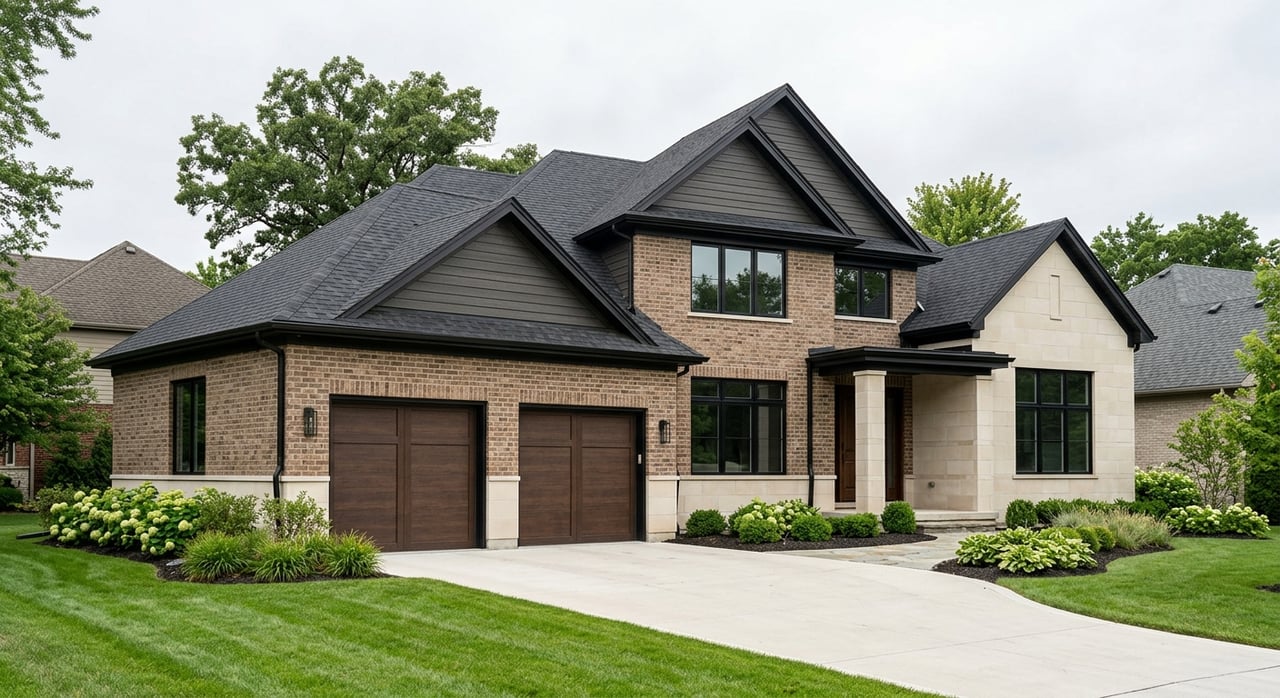
Relocating to Northwest Houston Suburbs: A Local Guide
June 18, 2026
June 18, 2026
Moving to Houston can feel simple on paper until you start comparing suburbs. Northwest Houston is not one single market, and the right fit often comes down to your commute, your home style, and the pace of life you want each day. If you are trying to narrow down Cypress, Tomball, Spring, or Magnolia, this guide will help you sort through the tradeoffs with more confidence. Let’s dive in.
Houston’s northwest suburbs work more like corridor communities than one continuous market. In practical terms, that means your day-to-day experience may depend as much on which highway you use as on the name of the suburb itself.
SH 99, SH 249, US 290, I-45, the Hardy Toll Road, and U.S. 59 all shape how people move through this part of the region. If you are relocating for work, it helps to start with your employer’s address and then look outward to the suburbs that make the most sense for that route.
One of the biggest mistakes relocation buyers make is choosing a suburb by reputation alone. In northwest Houston, a community that looks perfect online may feel much less convenient once you factor in your actual drive pattern.
A better approach is to ask a few simple questions first:
Once you answer those questions, the suburb list usually becomes much clearer.
Cypress is often a strong fit if you want newer master-planned living and access tied to US 290 and the Grand Parkway. This area is closely linked to major road infrastructure, which is one reason many relocation buyers focus here first.
From a housing and lifestyle perspective, Cypress tends to feel newer and more amenity-driven than some neighboring suburbs. Communities like Towne Lake and Bridgeland highlight features such as trail systems, open space, lake-oriented amenities, and long-range community planning.
If you picture daily life with planned amenities built into the neighborhood experience, Cypress may stand out. It can be especially appealing if your work or regular travel keeps you on the west side of the Houston area.
Cypress is a practical choice if you want a community where neighborhood amenities are part of everyday life. It also makes sense for buyers who prefer a more infrastructure-driven suburb with strong west-side connections.
Tomball offers a different feel. It combines a recognizable historic core with steady suburban growth, which gives buyers a wider mix of home styles than they may expect.
The city’s materials connect Tomball closely to SH 249 and the Grand Parkway, and the city describes itself as 28 miles north of downtown Houston. Census QuickFacts lists a 2020 to 2024 mean travel time to work of 33.4 minutes and a median owner-occupied home value of $364,300.
For many relocation buyers, Tomball lands in a useful middle ground. You can find older in-town homes, more typical suburban subdivisions, and newer communities such as Amira and Woodtrace, all within the broader Tomball area.
Tomball’s lifestyle story is tied to local identity. The downtown depot area, community events, and the Theis Attaway Nature Center help create a small-town feel that still connects well to larger northwest Houston patterns.
That mix can be especially appealing if you want a suburb that feels established without giving up access to newer housing options. You get a little more contrast here than in places that are almost entirely master-planned.
Tomball is often a good fit if you want:
Spring can surprise newcomers because it covers a wide range of housing types and neighborhood experiences. It is not one single look or lifestyle.
On one side, Old Town Spring offers a historic district with restored cottages, shopping, dining, and seasonal events. On the other, newer communities like Woodson’s Reserve reflect a more modern planned-community lifestyle with access to I-45, the Hardy Toll Road, and U.S. 59.
Census QuickFacts shows Spring CDP with a 2020 to 2024 mean travel time to work of 33.8 minutes, an owner-occupied housing rate of 74.4%, and a median owner-occupied home value of $231,500. Those numbers help explain why Spring often draws buyers looking for flexibility across budget, home age, and location.
Spring is one of those areas where broad labels can be misleading. One neighborhood may feel established and traditional, while another may feel much newer and more planned.
That makes address-level research especially important. If you are considering Spring, it helps to compare each pocket carefully rather than assume the entire area will feel the same.
Spring may be worth a close look if you want:
Magnolia sits farther out than the other suburbs in this guide, and that geography shapes the experience. The city says Magnolia is at the junction of FM 1774 and FM 1488, about 45 miles northwest of Houston and about 20 miles from both I-45 and US 290.
Census QuickFacts shows a 2020 to 2024 mean travel time to work of 31.4 minutes, an owner-occupied rate of 64.1%, and a median owner-occupied home value of $322,800. At the same time, official local materials and new development activity suggest Magnolia should be viewed as a space-and-pace market, not simply a lower-cost alternative.
New-home growth remains active, with communities such as Kresston and Magnolia Woods adding to the housing pipeline. Even with that growth, Magnolia still tends to feel less dense and more exurban than the closer-in northwest suburbs.
Magnolia’s local identity leans toward a slower rhythm. City materials highlight community gathering spaces, walking areas, and events such as the Texas Renaissance Festival as part of the area’s broader character.
If you are willing to accept a larger commute tradeoff for more room and a quieter setting, Magnolia can make a lot of sense. It is less about being a substitute for another suburb and more about choosing a different lifestyle priority.
Magnolia often appeals to buyers who want:
| Suburb | Best known for | Main access routes | General feel |
|---|---|---|---|
| Cypress | Newer master-planned amenities | US 290, SH 99 | Amenity-rich and newer |
| Tomball | Historic core plus suburban growth | SH 249, SH 99 | Balanced and community-centered |
| Spring | Broad mix of old and new | I-45, Hardy Toll Road, U.S. 59 | Flexible and varied |
| Magnolia | Space and slower pace | FM 1774, FM 1488, access toward I-45 and US 290 | Less dense and more exurban |
When you relocate, it is easy to focus first on listing price or square footage. Those details matter, but they do not tell the whole story.
In northwest Houston, you will usually make a better decision if you compare suburbs through three filters:
These questions help you narrow the search in a way that feels more realistic once you are living here.
If schools are part of your search, be careful not to rely on suburb names alone. In this part of the Houston area, school zoning should be confirmed by exact property address.
Tomball ISD, Cypress-Fairbanks ISD, Spring ISD, and Montgomery ISD all provide official maps or zone lookup tools, and Tomball ISD has already approved updated attendance boundaries through the 2026 to 2027 school year. That means a mailing city does not always tell you the full picture.
For relocation buyers, this is one of the most important details to double-check early. It can save you time and help you avoid falling in love with a home before verifying the assignment.
If you are still deciding where to begin, keep it simple. Start by identifying your most important daily need, then build outward.
Here is a practical way to shortlist the northwest suburbs:
That process usually creates more clarity than browsing listings randomly across the entire region.
Relocating to Houston is a big move, but it gets easier when you focus on how you actually want to live each day. If you want help comparing Tomball, Cypress, Spring, or Magnolia based on your commute, home goals, and preferred lifestyle, The Abiaka Team is here to guide you with local insight and personalized support.
Stay up to date on the latest real estate trends.
Ready to make your move? Start your journey with The Abiaka Team today. Whether you're a first-time homebuyer or seasoned investor, we're here to guide you through the process. Reach out to us, and let’s take the first step toward finding your dream home.