Spring TX Single vs Two Story Homes: How to Decide
May 14, 2026
May 14, 2026
Trying to choose between a one-story and a two-story home in Spring? You are not alone. Many buyers love the idea of extra space, privacy, or easier day-to-day living, but the right fit often depends on how you actually use your home. In Spring, you have real options in both styles, so this decision is less about what is available and more about what works best for your routine, budget, and long-term plans. Let’s dive in.
In Spring, many newer communities offer both one-story and two-story homes in the same neighborhood. Communities like Woodson’s Reserve and The Falls at Imperial Oaks show that builders regularly offer both layouts across different homesite sizes.
That matters because it gives you flexibility. Instead of choosing a home style just because that is all the area offers, you can focus on how each layout supports your lifestyle.
Spring’s housing patterns make one thing clear: story count is usually a lifestyle decision, not a hard market limit. You can find one-story and two-story options in a range of sizes, from more compact layouts to homes approaching 4,000 square feet.
For example, Woodson’s Reserve shows one-story plans with open living areas, flex spaces, and covered patios all on one level. In the same community, two-story plans often place secondary bedrooms, lofts, game rooms, or media rooms upstairs.
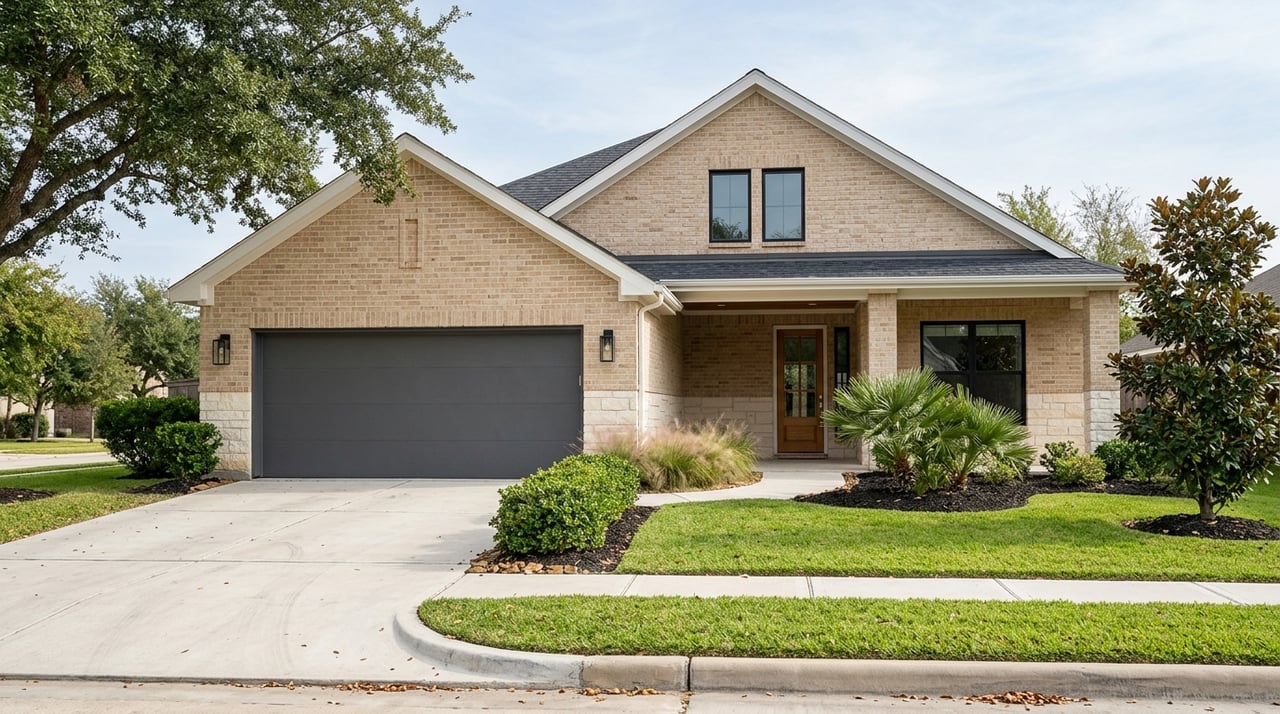
A one-story home can be a great fit if you want your daily living spaces on the same level. In many Spring floorplans, the kitchen, family room, laundry, primary suite, and secondary bedrooms are all connected in a way that makes everyday routines feel simpler.
That layout can be especially helpful if you want easier child supervision or less back-and-forth throughout the day. When everyone is on one floor, the home often feels more connected.
A one-story home may be the better choice if you value:
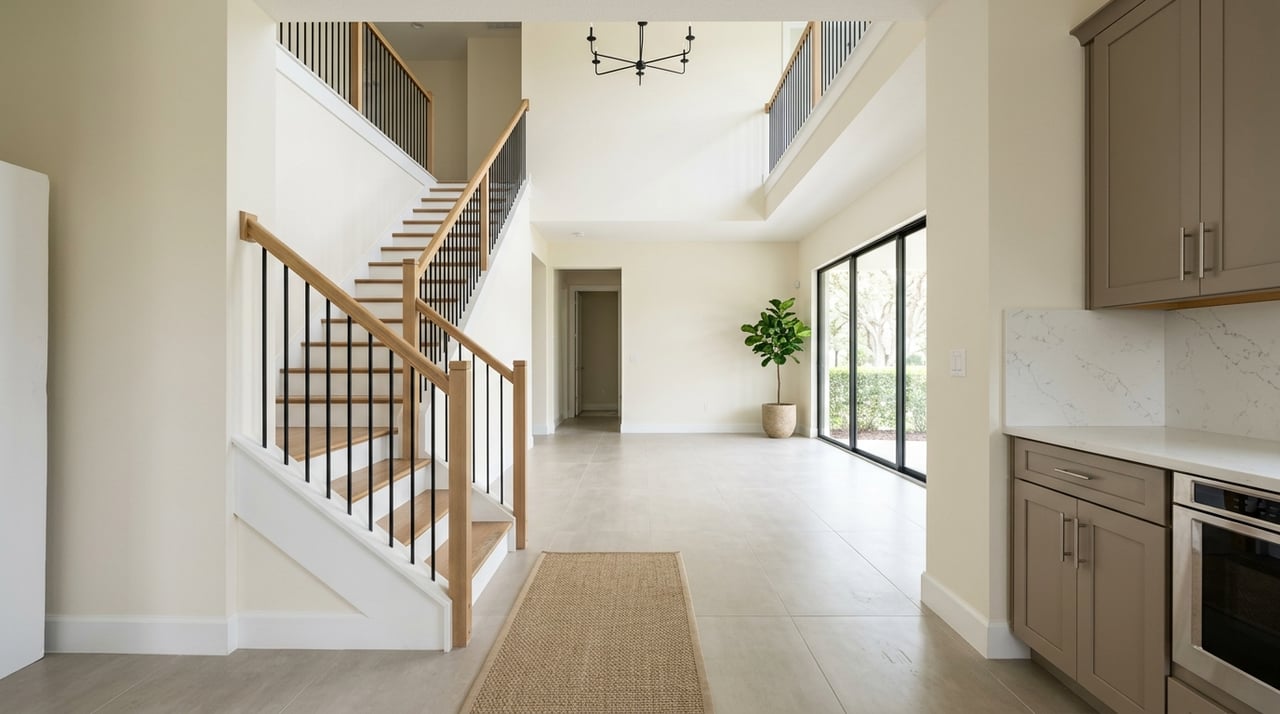
Stairs are one of the biggest deciding factors. For buyers thinking about aging in place or planning for changing mobility needs over time, a one-story home removes that daily obstacle.
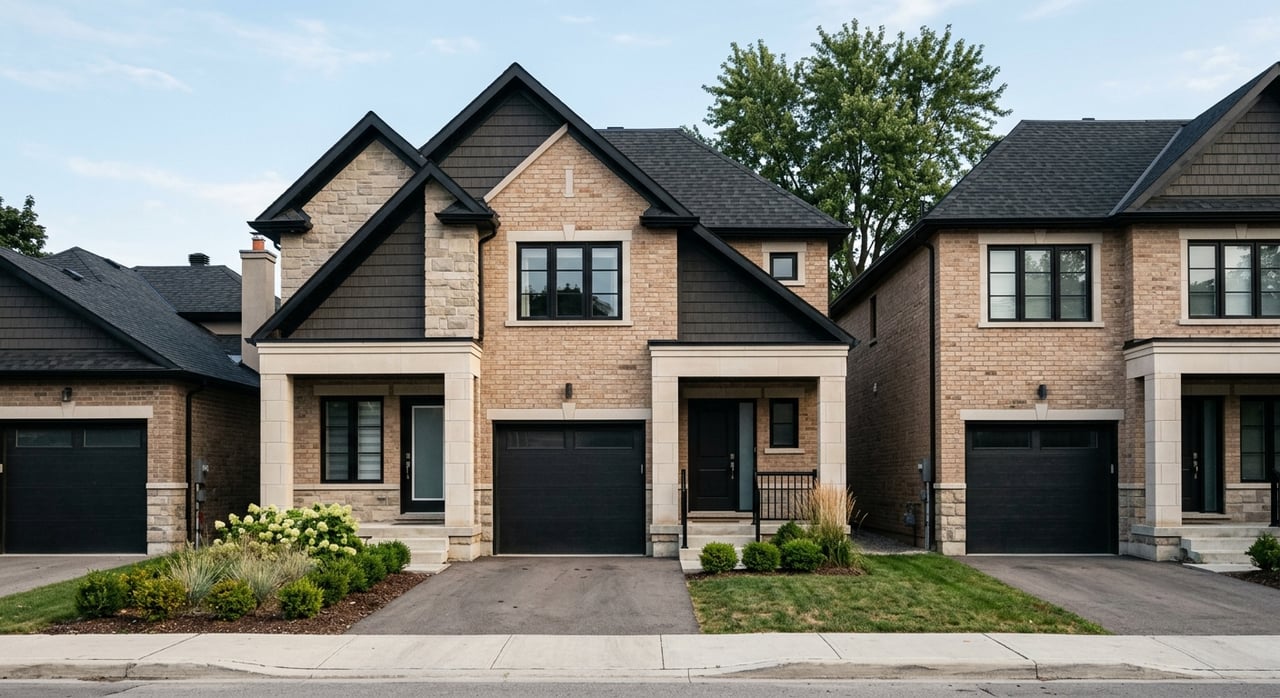
A two-story home can work well if you want more separation between living zones. In Spring floorplans, it is common to see the primary suite downstairs while secondary bedrooms, game rooms, lofts, or media rooms are upstairs.
That setup often helps create more privacy. It can also make it easier to separate entertaining areas from sleeping areas, which many households find useful.
A two-story home may be the better choice if you want:
In practical terms, this style often gives you more usable square footage without requiring as much lot width. That can be helpful in communities where homesites vary.
In Spring, homesites in newer communities are often organized by width categories rather than large lots. The Falls at Imperial Oaks includes 55-, 60-, 75-, and 96-foot homesites, while Woodson’s Reserve markets 50s, 60s, and 70s collections.
This matters because one-story homes usually need a wider footprint to spread out the same square footage. A two-story home can stack space vertically, which often makes it a stronger fit for narrower lots.
If accessibility and easy daily flow matter most, a one-story home may be worth prioritizing, especially on a wider homesite. If you want more square footage or more privacy on a smaller footprint, a two-story home may be the better match.
The best floorplan is the one that supports how you live right now. Before you decide, picture a normal weekday in your future home.
Ask yourself questions like:
These answers often tell you more than square footage alone.
Spring is part of the Houston-area hot-humid climate zone. That means cooling and humidity control play a major role in comfort.
When buyers compare one-story and two-story homes, they often assume one style is always more efficient. In reality, the U.S. Department of Energy notes that comfort and efficiency depend more on the home’s overall design, including insulation, air sealing, window performance, duct location, and HVAC sizing.
A one-story home and a two-story home can both perform well in Spring if they are designed and built well. The number of stories may affect roof area, wall area, and attic complexity, but those factors do not outweigh the importance of the home’s shell and HVAC design.
So if energy use is high on your priority list, look beyond story count. Pay close attention to construction details and how the home handles cooling and humidity.
Layout affects how a home feels day to day. In many two-story homes, bedrooms upstairs are naturally separated from the main living spaces, which can make evenings feel quieter.
In a one-story home, the open and connected layout can feel more social and convenient, but it may offer less sound separation. Neither is better for everyone. It simply depends on whether you prefer connection or separation.
If you are moving up, downsizing, relocating, or buying your first home in Spring, it helps to focus on function first. Think about how long you expect to stay in the home and what will matter most over the next several years.
A one-story home often makes sense if you want ease, accessibility, and a simple daily rhythm. A two-story home often makes sense if you want privacy, flexible upstairs space, and more house on a tighter footprint.
Because Spring offers both in many communities, you do not have to force a compromise before you start. You can compare both side by side and choose based on the life you want to build there.
If you want help narrowing down the right fit in Spring, The Abiaka Team can help you compare floorplans, communities, and home features with your real day-to-day needs in mind.
Stay up to date on the latest real estate trends.
Ready to make your move? Start your journey with The Abiaka Team today. Whether you're a first-time homebuyer or seasoned investor, we're here to guide you through the process. Reach out to us, and let’s take the first step toward finding your dream home.