Trying to choose between a low‑maintenance townhome and a classic single‑family home in The Woodlands? You are not alone. Your lifestyle, budget, and comfort with maintenance all matter here, and the choice can shape your day‑to‑day more than you might expect. In this guide, you will learn how each option stacks up on cost, upkeep, privacy, outdoor space, HOA rules, taxes, and insurance so you can move forward with confidence.
Let’s dive in.
Quick market snapshot
The Woodlands offers a wide range of homes, from entry townhomes to luxury estates. Recent public summaries show the overall median sale price in the low to mid 600s, with detached single‑family medians often higher than townhome medians. Premium townhomes near the Waterway and East Shore can match or exceed many detached homes. Prices change month to month, so use current MLS data before you make a final decision.
Tip: Think by village and micro‑location. Town Center and East Shore often command higher prices for walkability and lake proximity, while western villages lean more suburban with larger lots.
Townhome vs. single‑family: what fits your lifestyle
Maintenance and ongoing costs
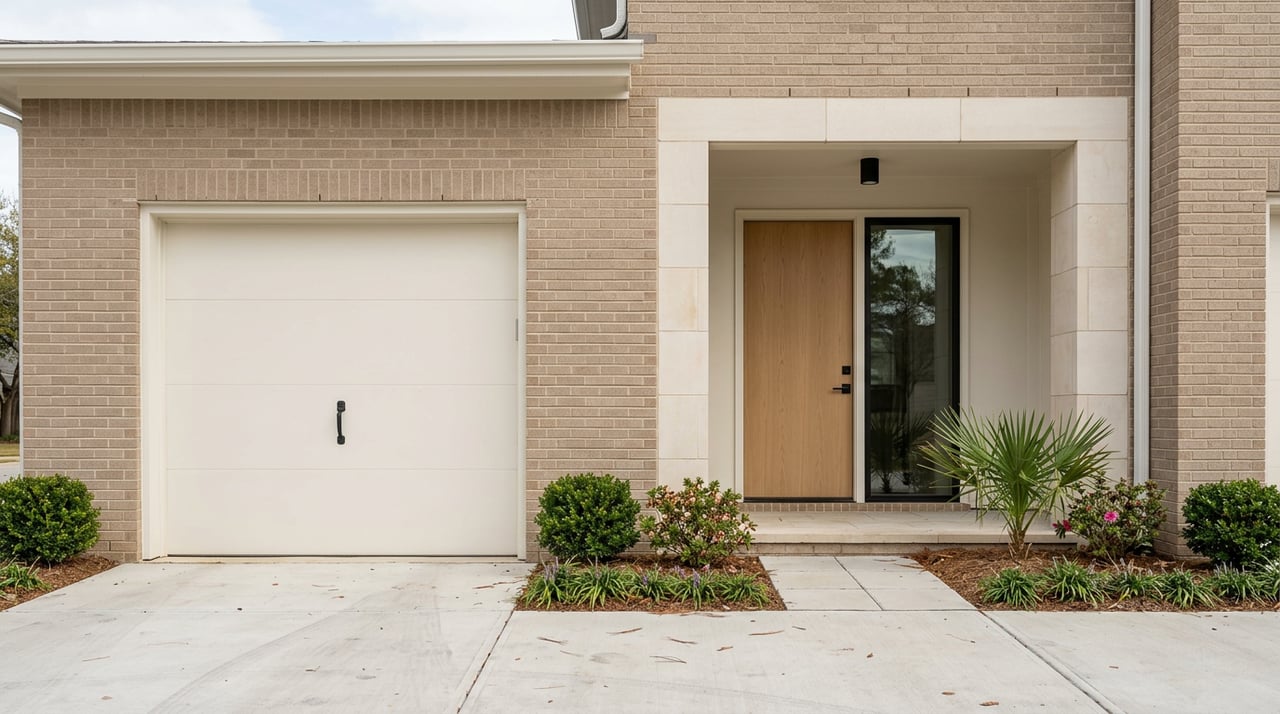
- Townhomes typically reduce your exterior upkeep. Many associations handle exterior maintenance, common‑area landscaping, trash, and amenities through monthly dues. This can cut time and vendor juggling, though you will have a recurring HOA line item. Always confirm what the dues cover in the association documents.
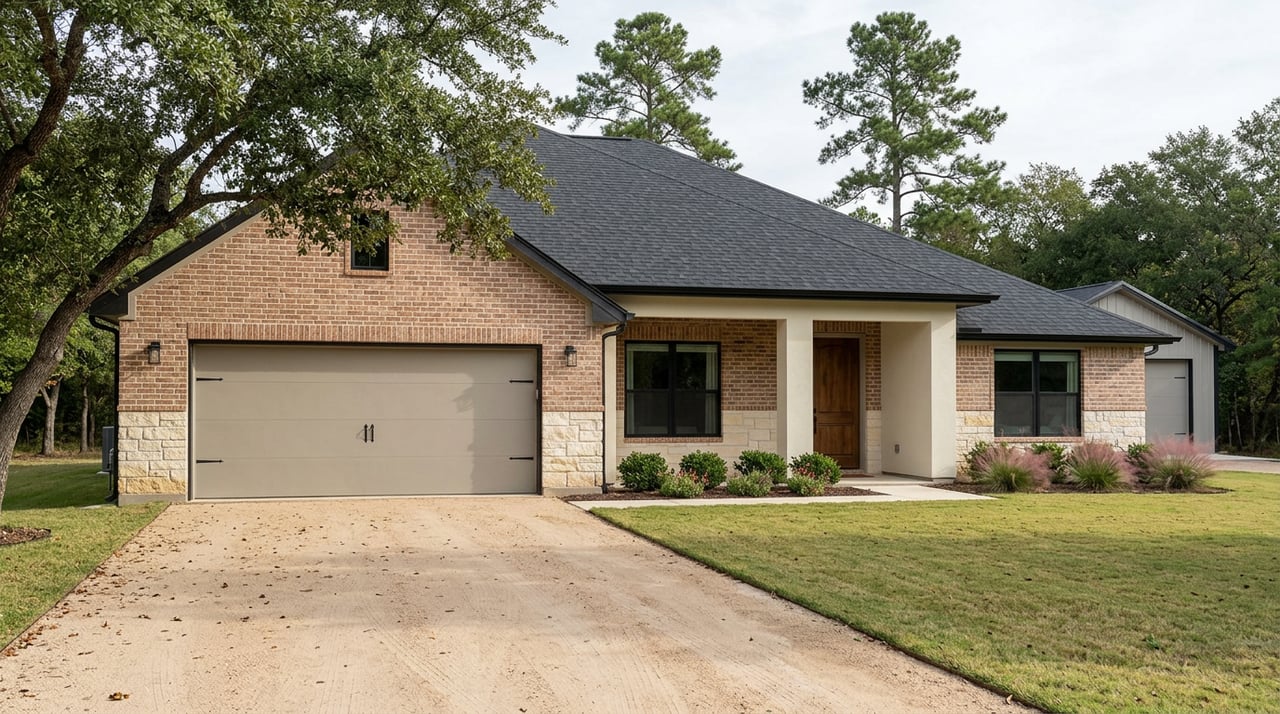
- Single‑family homes put you in charge of the roof, yard, trees, fences, and driveway. You gain full control over contractors and choices, but you should budget for variable costs and your own time.
Privacy, noise, and layout
- Townhomes share at least one wall, which can mean less exterior privacy and more potential noise, especially in older buildings. End units and newer construction often perform better on sound and light.
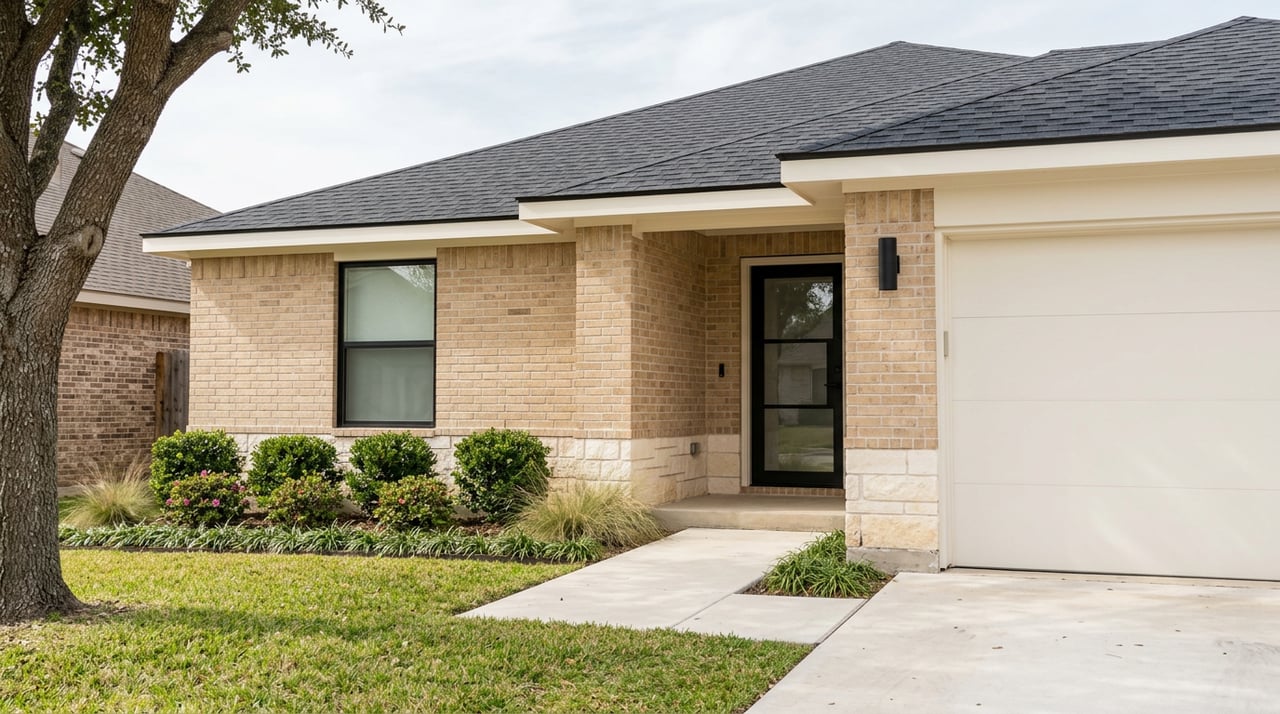
- Single‑family homes are fully detached. You usually get more separation from neighbors, flexible yard use, and layouts that favor privacy.
Outdoor space and lot size
- Townhomes commonly include a small patio, balcony, or compact yard. Lots can be quite modest in size, which suits a lock‑and‑leave lifestyle.
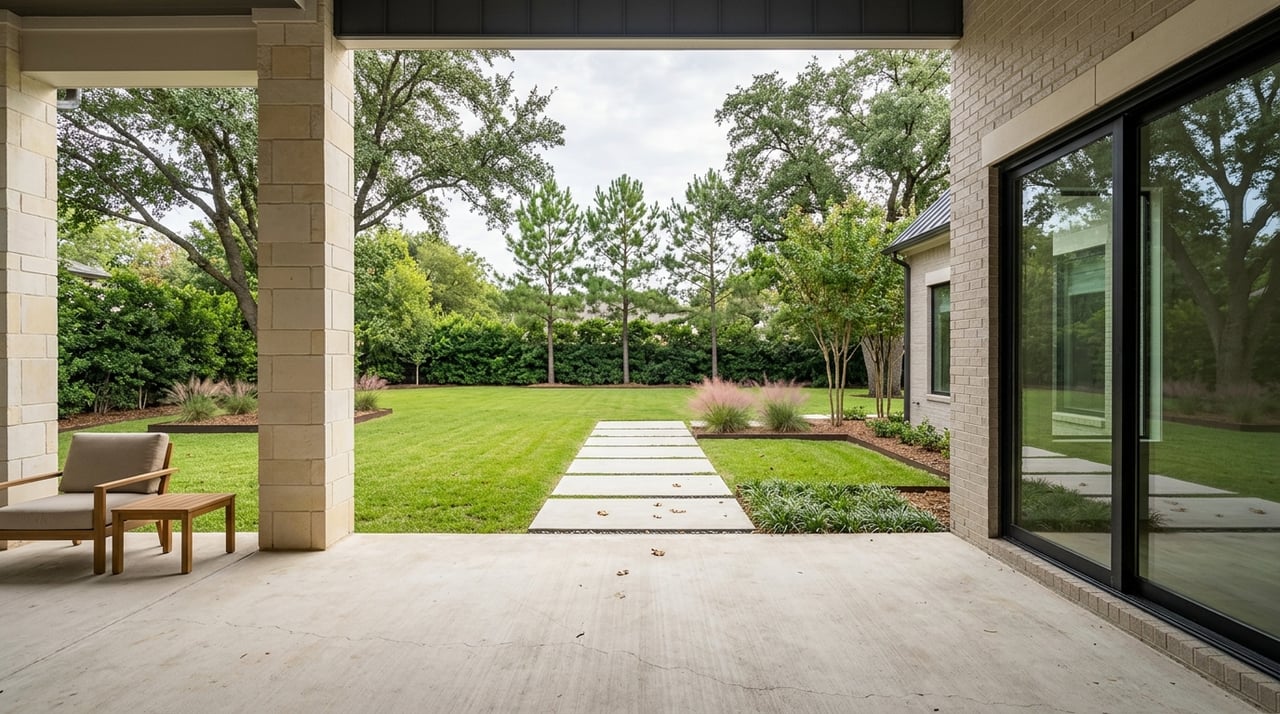
- Single‑family lots vary widely by village. Many neighborhoods feature quarter‑acre or larger lots, and some estate areas offer acre‑plus parcels. If outdoor living or pets top your list, a detached home may fit best.
Insurance and flood risk
- Townhome insurance depends on the legal setup. If the master HOA policy covers the building exterior, you will likely carry a unit‑owner policy similar to HO‑6 that insures interiors and personal property. If the exterior is not covered, your lender may require a broader policy. Work with your agent and insurer to confirm the master policy and the right coverage type using the association’s summary. You can review common coverage differences in this overview of townhome insurance structures from Insurify for context: how master and unit policies typically divide responsibility.
- Flood risk varies by exact address in The Woodlands. Some parcels have elevated risk. Before you finalize, check the specific lot using FEMA’s Flood Map Service Center and ask for any available elevation certificates. Flood insurance may be required by your lender or simply advisable depending on risk.
Financing and resale
- Financing for fee‑simple townhomes often mirrors single‑family loans. If the property is legally a condominium, your lender may need a project review and additional approvals. Early lender guidance helps avoid surprises. For background on condo project eligibility, review these Fannie Mae project rules summarized here.
- Resale dynamics differ. Detached homes generally appeal to a broader buyer pool, while townhomes tend to attract buyers who value lower maintenance and walkability. Days on market and pricing vary by village and location near amenities.
HOA, deed restrictions, and taxes in The Woodlands
Deed restrictions and governance
The Woodlands is a deed‑restricted master‑planned community. Recorded covenants set standards for property use and design, and an architectural review process applies to many exterior changes. You can review the Township’s Covenant and Architectural Control documents to understand how rules work.
HOA dues and what they cover
HOA dues vary widely by product type and amenity level. In The Woodlands, you may see monthly dues from roughly 75 to 400 dollars or more depending on services included and the community’s luxury tier. Some townhome communities cover exterior maintenance and landscaping, while many single‑family neighborhoods do not. For a sense of local ranges and fee structures, review this overview of property tax and HOA considerations in The Woodlands, then confirm specifics in each association’s budget and resale certificate.
Township assessments, taxes, and MUDs
Your property tax bill can include several entities. Most parcels show county and school district lines, The Woodlands Township assessment, and sometimes a municipal utility district, known as a MUD. Rates and entities vary by address and can change year to year, so you should verify the prior year tax bill and the exact taxing units for the property you want. The Township outlines its tax information on the Finance and Taxes page.
Where townhomes cluster in The Woodlands
If you lean toward a townhome, focus your search where supply is strongest:
- Town Center, East Shore, and along the Waterway for walkable living near shopping and the lake.
- Grogan’s Mill and Panther Creek for a mix of older and newer townhome options near village centers.
- Pockets within Sterling Ridge, Creekside Park, and other villages where attached products were planned.
These areas often trade some private yard space for proximity to amenities and a lower exterior maintenance load.
Price bands to set smart search filters
Listing prices move quickly, but recent patterns can help you set starting filters. Treat these as directional only and confirm with live MLS data before you act.
- Townhomes entry to older interior units: roughly 200,000 to 400,000 dollars.
- Townhomes mid‑market or renovated near village centers: roughly 350,000 to 700,000 dollars.
- Townhomes premium waterfront or East Shore and Town Center: roughly 700,000 to 1.3 million dollars or more.
- Single‑family homes: common medians in the mid 600s to 800s across reports, plus a wide spread that includes lower‑priced older homes and multi‑million‑dollar estates.
Market snapshot reference period: early 2026. Always recheck live data for your specific village and home type.
Your due‑diligence checklist
Use this simple checklist to compare a townhome and a single‑family home side by side.
- Run the full monthly budget
- Include principal and interest, property taxes, HOA dues, homeowners insurance, and a line for utilities and maintenance. Taxes and HOA dues can shift the monthly by more than you think. You can see how Township taxes are structured on the official taxes page.
- Request association documents early for any townhome or condo
- Ask for the resale certificate or subdivision information to confirm dues, unpaid assessments, rules, and any pending special assessments. Texas associations must provide subdivision information within a defined window after a written request. The Texas Bar’s guide explains these association disclosure requirements and documents.
- Review the current budget and financials, reserve study, master insurance summary, and the last 6 to 12 months of meeting minutes.
- Confirm insurance needs
- Ask whether the master policy is walls‑out or walls‑in. That determines if you need HO‑6 style coverage for interiors or a broader policy. This townhouse insurance overview clarifies common setups. Get written confirmation from the HOA for your lender.
- Check flood and site risk
- Pull the parcel on FEMA’s Flood Map Service Center. If the home sits in or near a mapped flood zone, obtain any elevation certificates and request flood insurance quotes before you remove contingencies.
- Review covenants and architectural rules
- For single‑family lots, read the recorded covenants and Architectural Review Committee standards to understand rules for exterior changes, fencing, additions, and rental policies. The Woodlands posts its Covenants and ARC documents online.
- Verify taxing entities and MUDs
- Ask for the last tax bill and confirm which county appraisal district, school district, Township, and any MUDs apply to the property. See the Township’s Finance and Taxes page for context.
- Get lender clarity for condos and certain townhomes
- If the property is in a condominium project, your lender may need a project review. Discuss eligibility early and confirm your loan program works with the project. For a reference, see Fannie Mae condo project guidance.
- Complete a thorough inspection
- For attached homes, pay attention to soundproofing, party‑wall conditions, roof and flashing responsibilities, and signs of community‑wide deferred maintenance.
- Understand resale in your micro‑market
- Ask your agent for recent comparable sales by product type and village, plus average days on market. Confirm the buyer pool and trend for your exact location.
How to choose: a quick decision guide
- Pick a townhome if you want lower exterior maintenance, value proximity to Town Center amenities, and prefer predictable monthly costs through HOA dues. Confirm insurance structure and what the HOA covers.
- Pick a single‑family home if you want more privacy and yard space, and you are comfortable managing exterior maintenance and variable costs. Confirm deed restrictions if you plan exterior updates.
- On the fence. Run two full scenarios that include taxes, HOA dues, and insurance. Then tour both options in the same village to feel the lifestyle difference. Your daily routine will often make the choice clear.
Ready to compare real homes in your price range and village of choice? Schedule a friendly, no‑pressure consult with The Abiaka Team. We will help you map budget to lifestyle, sort HOA and tax details, and see the best options for you in The Woodlands.
FAQs
Are townhomes in The Woodlands usually cheaper than houses?
- Often at the entry level, yes, though premium townhomes near the Waterway and East Shore can match or exceed many detached homes in price; confirm with current MLS data by village.
What do HOA dues typically cover for townhomes in The Woodlands?
- Coverage varies; some associations include exterior maintenance, landscaping, trash, and amenities, while others do not, so verify the resale certificate, budget, and master insurance summary before you buy.
How do property taxes work in The Woodlands?
- Your bill can include county, school district, The Woodlands Township assessment, and sometimes a MUD, which vary by parcel; review the prior year bill and see the Township’s Finance and Taxes page for context.
Do I need different insurance for a townhome compared with a house?
- It depends on the HOA’s master policy; some owners carry an HO‑6 style policy for interiors if the exterior is covered by the association, while others need broader coverage if the exterior is the owner’s responsibility.
Will lenders finance a townhome the same way as a single‑family home?
- If the townhome is fee‑simple, financing often mirrors a single‑family loan; if it is part of a condominium project, lenders may require a project review and added documentation, so get lender input early.