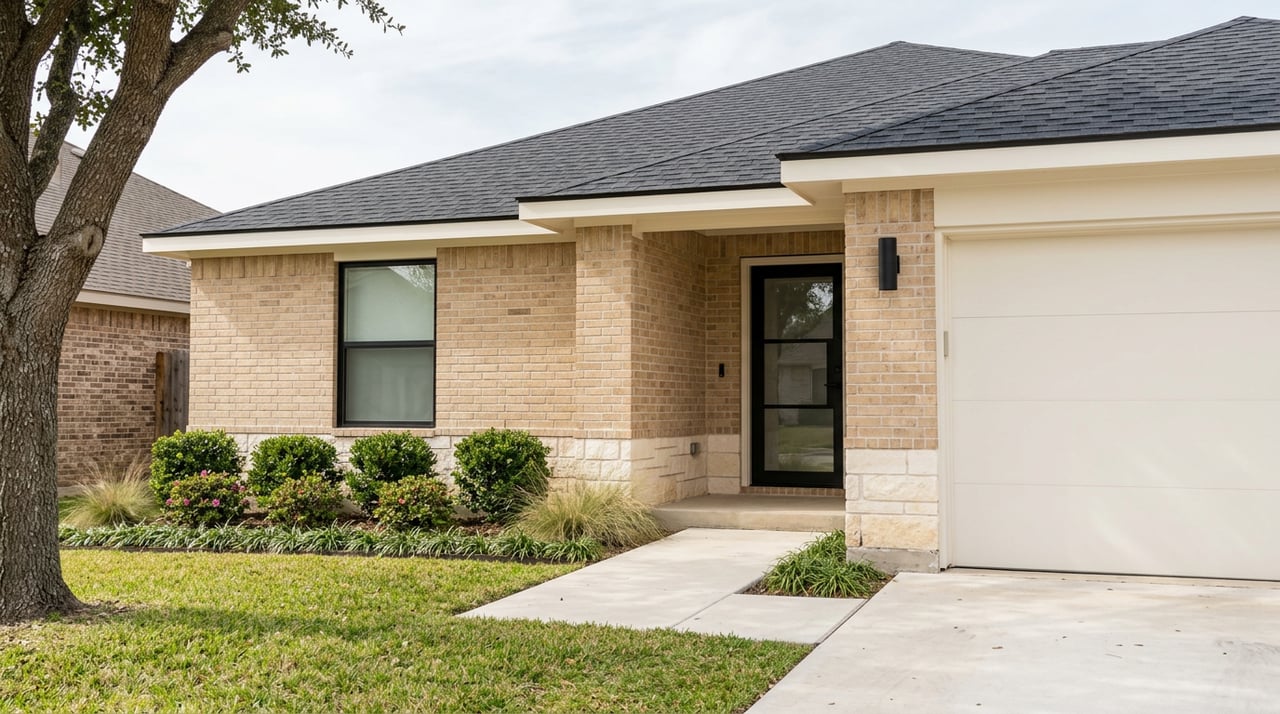
If your Katy starter home no longer fits your life, you are not alone. Many local owners are using their equity to move into larger homes with better layouts and amenities. In this guide, you will see current prices and timelines, smart financing paths, and a clear plan to buy and sell with less stress. Let’s dive in.
Katy move-up market at a glance
Recent data shows a balanced but active market for sellers who also plan to buy. The typical Katy home value sits around $333,566 by a broad index, while county and listing medians in parts of Katy and Waller often land closer to the mid to high $300Ks. Homes commonly go under contract in about 55 to 56 days, which points to a realistic sale window of 4 to 9 weeks in many segments.
Inventory has improved compared to the tight years. Waller County reports more active listings year over year, and a sale-to-list ratio near 92% suggests buyers still negotiate but deals are getting done. Expect variation by neighborhood, price band, and property condition.
What the numbers mean for you
Plan for about two months from listing to contract and another month to close, depending on the buyer’s financing. Typical mortgage closings run about 30 to 60 days from application to funding, which is why careful timing matters. If you coordinate your sale and purchase together, you can reduce double moves and keep cash flow predictable.
Price bands and where they live
Move-up shoppers in Katy and the Waller corridor tend to search in three broad tiers:
- Starter, under about $350K. Often older resales and smaller footprints. Good stepping stones if you plan a second move later.
- Move-up, roughly $350K to $700K. This is the heart of Katy’s family inventory. Many resales in master-planned neighborhoods land here, with 3 to 5 bedrooms, 2.5+ baths, and community amenities.
- Premium, above $700K. Larger lots, new luxury builds, and custom or gated sections in and around Katy and nearby Fulshear/Richmond.
Neighborhood medians highlight why price bands matter. Recent snapshots put Grand Lakes around the mid $400Ks, sizable sections of Cinco Ranch in the low to mid $500Ks, and Cross Creek Ranch around the low $600Ks. These figures move with supply and seasonality, so lean on a neighborhood-level CMA when you set your budget.
New vs. established neighborhoods
New construction and master-planned options
Newer communities market modern floor plans, warranties, and amenity-rich living. For example, Elyson showcases homes spanning from the $300Ks into the $1M+ range, along with pools, parks, and trails. Builders often include flexible office spaces, big pantries, and energy features that appeal to today’s families.
The tradeoff is cost structure and timing. Many new sections sit inside Municipal Utility Districts, which can increase the effective property tax rate for a period. You may also experience ongoing construction activity as sections build out. Always compare total monthly cost, not just the base price.
Established Katy areas
Older Katy sections and long-standing subdivisions can offer mature trees, wider lot choices, and fewer construction disruptions. In some areas, the MUD burden may be lower or absent. The flip side is potential updates to roofing, mechanicals, or interiors, which should be priced into your net proceeds and move-up budget.
Flood risk and insurance
Parts of the Katy region include mapped floodplains or reservoir fringe areas. Always check FEMA’s parcel-level maps before you offer, and factor flood insurance into your monthly budget if needed. You can search an address on the FEMA Flood Map Service Center.
Smart financing paths for move-ups
There is no single right way to coordinate a sale and purchase. These four paths cover most scenarios.
1) Sell first, then buy
- Pros: Lowest carrying-cost risk, your sale proceeds fund the next down payment.
- Cons: You may need temporary housing if the next home is not ready.
- Tip: With typical closing times of about 30 to 60 days, pair your listing date with target move-in windows for new homes or desired resale inventory. See common timelines from Rocket Mortgage.
2) Buy first with a HELOC or bridge loan
- Pros: Lets you write a stronger, non-contingent offer on the new home.
- Cons: Short-term carrying costs and debt-to-income impacts while you still own the first home.
- Tip: Compare a HELOC versus a fixed home equity loan and confirm setup timelines using the CFPB’s HELOC guidance. For bridge loan basics and timing, review this overview of bridge loans.
3) Make a contingent offer
- Pros: Protects you from owning two homes at once.
- Cons: Less competitive in tight segments; you may need price or timeline concessions.
- Tip: Recent reporting shows the broader Houston area has had buyer-friendly traits, which can help contingencies in some cases. See context in this Chron market piece.
4) Use a seller rent-back
- Pros: You close, then lease back the home for a short period to avoid a double move.
- Cons: The buyer becomes a temporary landlord and must align lender and insurance rules.
- Tip: Your agent should draft clear terms for deposits, utilities, move-out date, and any holdover penalties.
Plan your timeline with less stress
Here are realistic windows based on today’s activity and standard closing times.
If you sell first
- Weeks −4 to 0: Prep and list. Complete pre-listing repairs, photography, and staging.
- Week 0: Accept an offer.
- Weeks 1 to 4: Inspections and any repair negotiation.
- Weeks 2 to 6: Appraisal and underwriting for the buyer.
- Weeks 4 to 8: Clear to close and moving day.
Total time from prep to funding often runs 6 to 12 weeks, depending on price point and contract terms.
If you buy first with a HELOC or bridge
- Weeks −6 to 0: Secure financing pre-approval and list your current home.
- Weeks 0 to 2: Close on the new home using bridge or HELOC funds.
- Weeks 1 to 8: Market and sell the previous home, then repay the bridge or draw.
Build a cushion for 30 to 60 days of overlapping costs in case your sale takes longer than expected.
Protect your budget and time
A few simple steps can prevent delays and surprise costs:
- Ask your agent for a seller net sheet that estimates payoffs, closing costs, and potential repairs.
- Order a pre-listing inspection to reduce late-stage renegotiations.
- Keep your loan pre-approval current and avoid big purchases during underwriting.
- Confirm flood zone, HOA dues, and MUD obligations before you set your offer price. Use FEMA’s map for a quick flood check and your title disclosures for HOA and MUD details.
Family-focused features trending now
Many move-up buyers want floor plans that support work, school, and play. National buyer research highlights laundry rooms, open kitchens with islands, walk-in pantries, energy efficiency, and flexible office or media spaces near the top of the wish list. For a deeper look at buyer preferences, see the NAHB’s 2024 findings.
In Katy’s master-planned communities, you will also see covered patios, game rooms, and 2 to 3 car garages presented as standard family conveniences. Focus on function and resale appeal when you compare plans.
Ownership costs to check early
Monthly affordability is about more than price and interest rate. Compare these line items across neighborhoods:
- Property taxes and MUD rates. Newer sections may include MUD assessments that elevate effective tax rates for a period. Ask your agent and title team for the exact rate on any short list property.
- HOA dues and amenity fees. Pools, parks, and event programming add value, but confirm dues and schedules.
- Insurance and flood coverage. Verify whether a property requires flood insurance based on flood maps and lender rules.
- School taxes and district notes. For tax-rate context, review the Katy ISD tax rate page. Always confirm the current school zoning with the district before you buy.
A simple 5-step move-up checklist
- Clarify your target price band and must-have features. Decide if you prefer an established area or a newer master-planned community.
- Run a net proceeds estimate. Use current comps, your mortgage payoff, and repair budgets to set a realistic sale price.
- Choose your coordination path. Sell first, buy first with HELOC or bridge, make a contingent offer, or plan a short rent-back.
- Map your timeline. Pair your listing date to likely contract and closing windows, then line up movers and school transfer dates.
- Prep your home for market. Professional photos, light staging, and a clean, decluttered look can shorten days on market. Many industry reports show staged homes often sell faster; see general context from this housing market news resource.
Work with a local guide
You deserve a calm, coordinated move that fits your family’s calendar and budget. Our team pairs neighborhood-level pricing insight with clear financing and timeline planning, so you can sell with confidence and buy your next Katy-area home without guesswork. When you are ready, schedule a free strategy session with The Abiaka Team. We serve families across Katy, Waller County, Tomball, Cypress, and the northwest Houston suburbs with friendly, skilled representation.
FAQs
How long does it take to sell and buy in Katy right now?
- Many homes go under contract in 4 to 9 weeks, and mortgage closings often add 30 to 60 days, so a full sell-then-buy path commonly runs 6 to 12 weeks from listing prep to closing.
What price range fits most move-up homes in Katy and Waller?
- A large share of family-sized inventory lands around $350K to $700K, with examples like Grand Lakes, Cinco Ranch, and Cross Creek Ranch often sitting in the mid to upper parts of that band.
Can I make a contingent offer in today’s market?
- Yes, but competitiveness varies by neighborhood and price point; in more buyer-friendly segments, sale contingencies can work if your listing is market-ready and priced well.
Should I use a HELOC or a bridge loan to buy first?
- A HELOC can be a flexible, potentially lower-cost option if you have equity and time to set it up, while a bridge loan may fund faster but at higher short-term cost; compare details using the CFPB HELOC guide.
How do MUD taxes affect my monthly payment?
- MUD assessments raise the effective property tax rate in many newer sections, so your escrowed monthly payment can be higher even if the home price matches an older area; always confirm the exact rate before you offer.
How do I check if a home is in a flood zone?
- Enter the property address on the FEMA Flood Map Service Center to view floodplain status, then confirm with your insurance agent and lender to understand coverage and cost.