Leave a Message

By providing your contact information to The Abiaka Team, your personal information will be processed in accordance with The Abiaka Team's Privacy Policy. By checking the box(es) below, you consent to receive communications regarding your real estate inquiries and related marketing and promotional updates in the manner selected by you. For SMS text messages, message frequency varies. Message and data rates may apply. You may opt out of receiving further communications from The Abiaka Team at any time. To opt out of receiving SMS text messages, reply STOP to unsubscribe.

Thank you for your message. We will be in touch with you shortly.

Small-Acreage Neighborhoods Around Waller Explained

March 24, 2026

If you’re dreaming of more space without moving too far from Houston, small-acreage living around Waller might be the sweet spot. You get room for hobbies, a workshop, or a garden, yet you can still reach major job centers by highway. In this guide, you’ll learn what “small-acreage” really means locally, what utilities and rules to expect, how commutes work, and a smart checklist to shop with confidence. Let’s dive in.

What “small-acreage” means in Waller

Around Waller, buyers and brokers typically use “small-acreage” to describe parcels in the 1 to 10 acre range. For most shoppers, the practical sweet spot is about 1 to 5 acres. That size often balances privacy and flexibility with easier utility access and lower maintenance than large ranch tracts. This range is common in local listings and subdivision releases.

You’ll find two broad formats:

  • Platted subdivisions with recorded covenants. These may set minimum home sizes, define building setbacks, and sometimes include an HOA.
  • “Unrestricted” rural tracts. These rely more on county and state rules rather than subdivision covenants. Always verify what “unrestricted” really allows in the deed and county records.

County subdivision and platting rules apply when creating new lots or roads. Review Waller County’s guidance before you commit to a build plan. You can find current rules on the county’s Subdivision and Development Regulations page.

Where these tracts tend to cluster

Small-acreage parcels sit in and around the City of Waller and across unincorporated Waller County on the northwest side of the Houston metro. Many tracts follow FM roads and the US 290 corridor for easy access. If you value shorter trips to shopping or medical services, parcels closer to town can be practical. If you want extra quiet and more open views, outlying areas give you that at the tradeoff of longer drives.

Regional context matters too. The county highlights ongoing infrastructure and residential activity, which helps explain why acreage options continue to show up near Waller and along growing corridors.

Utilities and services: what to expect

Small-acreage living often means mixing private systems with public utilities. Confirm service at the specific address before you write an offer.

Water and sewer

  • Public systems: Parcels in or near towns, MUDs, or water districts may have access to treated, metered water and sometimes sewer. See the Texas Water Development Board’s Waller County public water systems list for context on providers.
  • Private systems: Many rural tracts use a private well and an on-site septic system. Waller County enforces a local OSSF (septic) order approved by TCEQ. Expect permits, inspections, and maintenance requirements. Some system types face restrictions in flood-prone areas.

If you are buying an existing home, request the septic permit history and any maintenance records. If you plan to build, budget for a soil/site evaluation and permitting.

Power, gas, and broadband

  • Electric and gas: Service coverage depends on location and provider territories. Check the county’s infrastructure resources to confirm which utility serves a specific parcel.
  • Internet: Availability is uneven. Comcast announced a fiber-rich network in the City of Waller in 2022, and fixed-wireless or satellite fills many rural gaps. Always verify address-level options and speeds before you rely on streaming or remote work.

Rules and permits to verify early

Acreage gives you freedom, but it comes with important checks. Handle these early to avoid surprises.

Septic (OSSF) and wells

  • Septic: Waller County requires permits, inspections, and proper system types based on soils and flood risk. Review the county’s local OSSF order and confirm any existing system’s records.
  • Wells: If a parcel uses a private well, schedule a well inspection and water-quality testing. Confirm whether a public water system borders the property.

Floodplain, drainage, and soils

Building in FEMA-mapped floodplains triggers extra steps and may require flood insurance if you finance with a lender. The county’s regulations page links to floodplain guidance and development rules. A current topographic survey helps you understand building elevations and drainage.

Platting, access, and road maintenance

Verify whether the lot is a recorded platted lot or a plat-exempt tract. Driveway and culvert permits, road dedication, and private-road maintenance responsibilities can affect budget and timelines. Start with the county’s Subdivision and Development Regulations for process details.

Taxes, MUDs, and assessments

Newer or semi-developed areas may sit inside MUDs or other districts that levy annual assessments. Use the Waller County Appraisal District parcel search to confirm taxing entities and to review what districts apply to a property.

Mineral rights and easements

In Texas, mineral rights are often severed from surface rights. Review the title commitment for mineral reservations and for pipeline, utility, or drainage easements that limit where you can build.

Home types you’ll see on small acreage

On 1 to 5 acre tracts around Waller, you’ll commonly see:

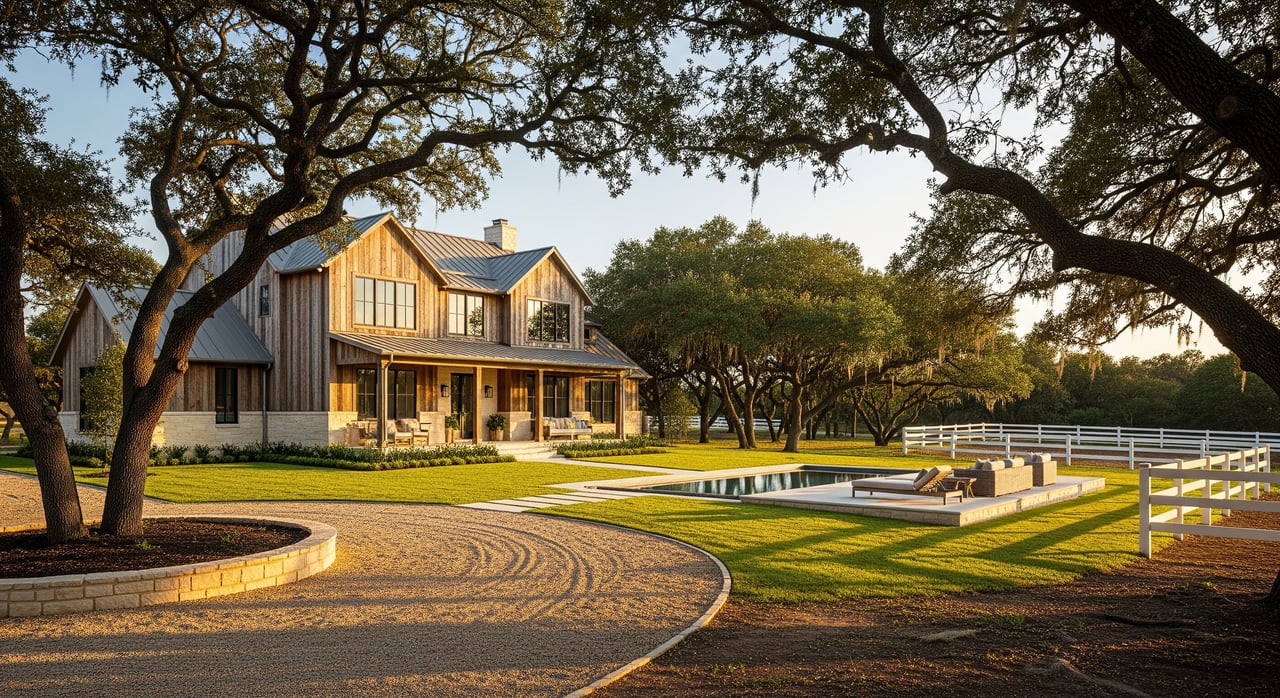
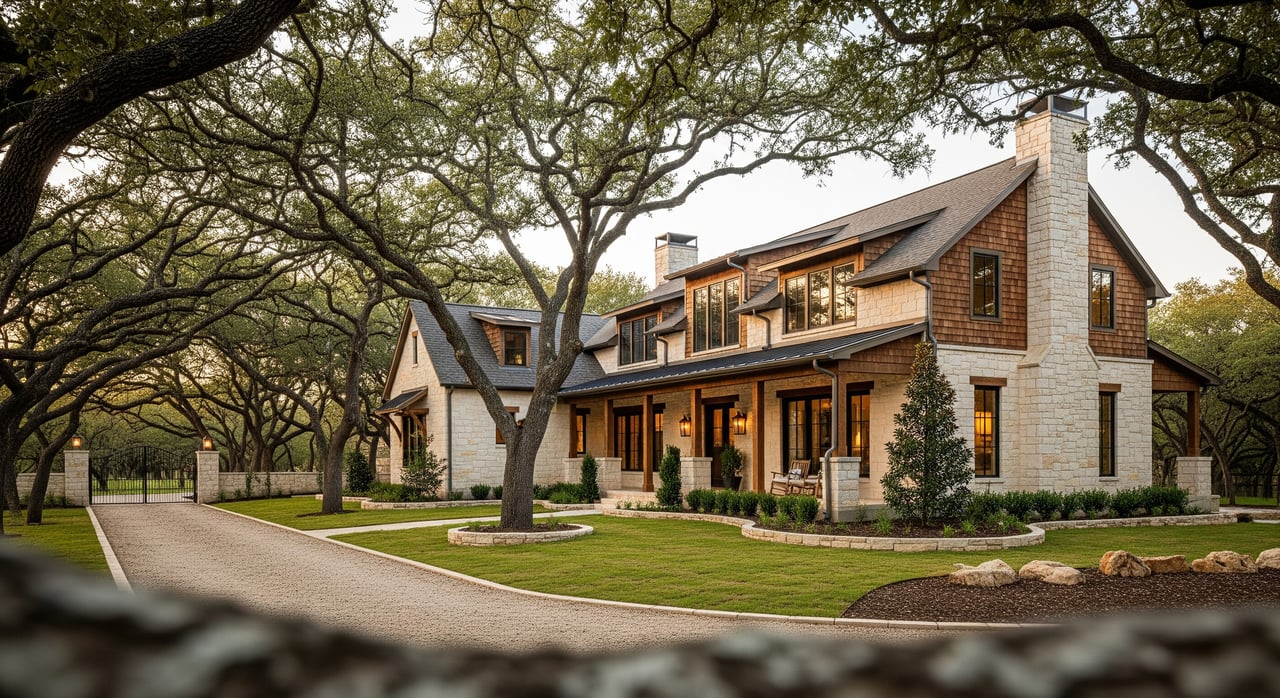
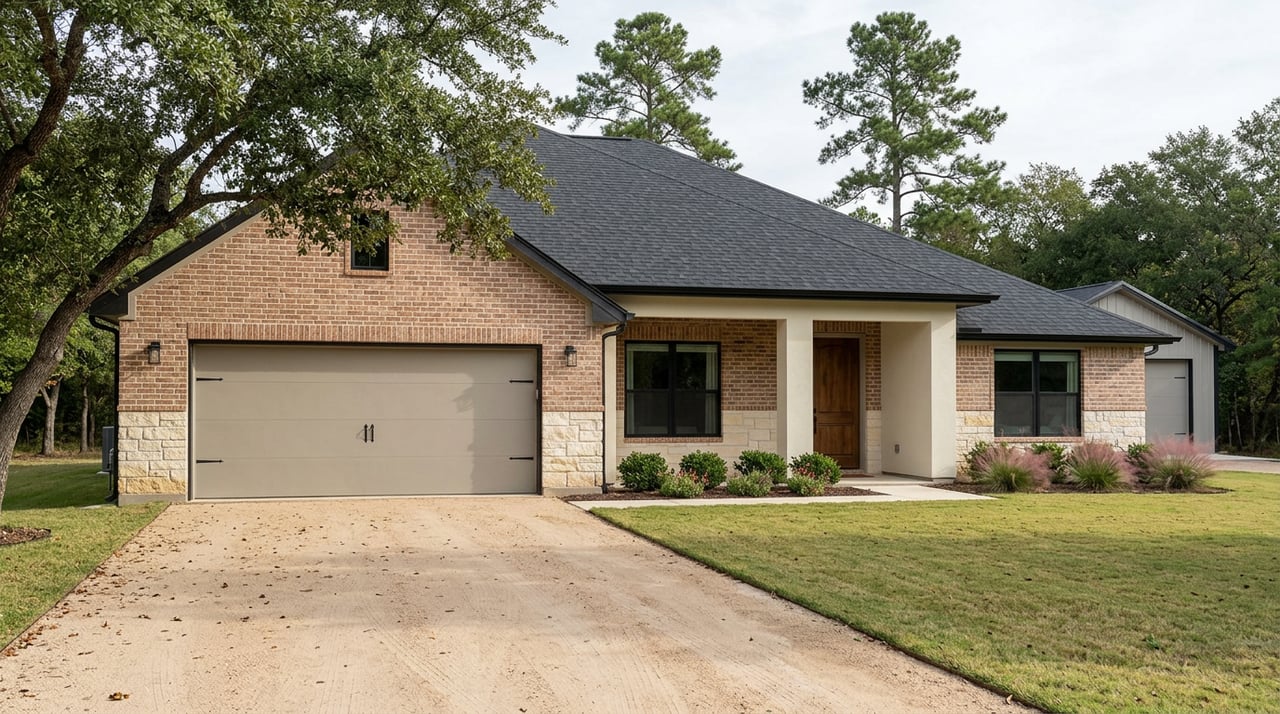
  • One-story and 1.5-story ranch or farmhouse styles
  • Modern “barndominiums” and shop-homes
  • Modular or manufactured homes on permanent foundations
  • Custom builds paired with metal workshops or RV/boat storage

Subdivision covenants, if present, may shape exterior materials, minimum sizes, and shop-building placement. Always check recorded rules before you finalize plans.

Commute, roads, and daily logistics

US 290 is the primary corridor to Houston. Typical distance from the City of Waller to downtown Houston is roughly 40 to 45 miles, with many commutes landing in the 45 to 60 minute range depending on start time and traffic. Always test-drive your route during your usual window to set realistic expectations.

TxDOT continues to work on improvements in the FM 1488 and US 290 area. Projects like these can improve travel times for certain neighborhoods over time. If a future project matters to your decision, monitor timelines directly on TxDOT’s project page.

Budget and financing basics

Financing land is different from financing a house. Lenders often require larger down payments and shorter terms for raw land. Many buyers use two strategies:

  • Land loan now, build later. Typical down payments for unimproved land often range from 20% to 50% depending on the lender and parcel.
  • Construction-to-permanent loan. If you plan to build soon, these can bundle the land and construction into one package. Some USDA programs offer low or zero down for eligible rural areas, each with specific rules.

If you are comparing options, speak with local land and construction lenders early. Getting prequalified shapes your search and strengthens your offer.

For market context, national land surveys show steady activity, with Texas ranking among the leaders for land transactions. That backdrop tracks with the growth you see around the Houston exurban fringe, including Waller County.

Smart search checklist for Waller acreage

Use this list to move from browsing to confident due diligence:

  • Confirm jurisdiction: City of Waller or unincorporated county, since that affects permits and services. Start with the county’s Subdivision and Development Regulations.
  • Order a current boundary and topographic survey to reveal easements, flood elevations, and realistic building envelopes.
  • Ask for water and septic records: well logs, water-quality tests, septic permits, and maintenance history. If records are missing, budget for new tests and a soils/site evaluation.
  • Check flood risk and drainage requirements on the county regulations portal. If any structure could be in a floodplain, estimate flood-insurance costs.
  • Verify utilities at the address: water, sewer, electric, natural gas, and broadband. The TWDB Waller County systems list is a helpful starting point for public water context.
  • Review taxes and districts on the Waller County Appraisal District site to identify any MUD or special assessments.
  • For commuters, test-drive routes during peak times and watch TxDOT project updates if future road work could help your trip.
  • Talk to lenders about land loans, construction-to-perm, and USDA eligibility before you make offers.

How we help you buy smart

Small-acreage shopping has moving parts, from utilities and floodplain checks to lender fit and title details. You do not have to figure it out alone. Our team pairs local northwest Houston experience with clear, step-by-step guidance. We help you compare tracts, coordinate the right inspections, and negotiate terms that protect your build plan and budget.

Ready to explore 1 to 10 acres around Waller with confidence? Schedule a free consultation with The Abiaka Team. We’ll map options to your goals, timeline, and commute so you can move forward with clarity.

FAQs

What counts as “small-acreage” near Waller?

  • Locally, small-acreage usually means about 1 to 10 acres, with 1 to 5 acres being the most practical range for utilities, buildability, and maintenance.

Do most small-acreage lots around Waller have city water and sewer?

  • Many outlying tracts rely on a private well and on-site septic, while parcels in or near towns, MUDs, or public systems may have metered water and sometimes sewer; verify at the address level using the TWDB systems list and county resources.

How long is the commute from Waller to downtown Houston?

  • The City of Waller is roughly 40 to 45 miles from downtown; many commuters report about 45 to 60 minutes depending on time of day and traffic, so test your route during peak hours.

What permits do I need to build on acreage in Waller County?

  • Expect septic permits and inspections for on-site systems, floodplain permits if applicable, and compliance with subdivision and driveway rules; start with the county’s Subdivision and Development Regulations and OSSF order.

How do MUDs and special districts affect my annual costs?

  • If a property sits in a MUD or similar district, you will have additional assessments alongside county, city, and school taxes; confirm entities and estimates on the Waller County Appraisal District site.

Can I finance land and construction together near Waller?

  • Yes, many buyers use construction-to-permanent loans to bundle land and build costs; land-only loans often require 20% to 50% down, while USDA programs may offer low or zero down for eligible rural parcels.

Work With Us

Ready to make your move? Start your journey with The Abiaka Team today. Whether you're a first-time homebuyer or seasoned investor, we're here to guide you through the process. Reach out to us, and let’s take the first step toward finding your dream home.