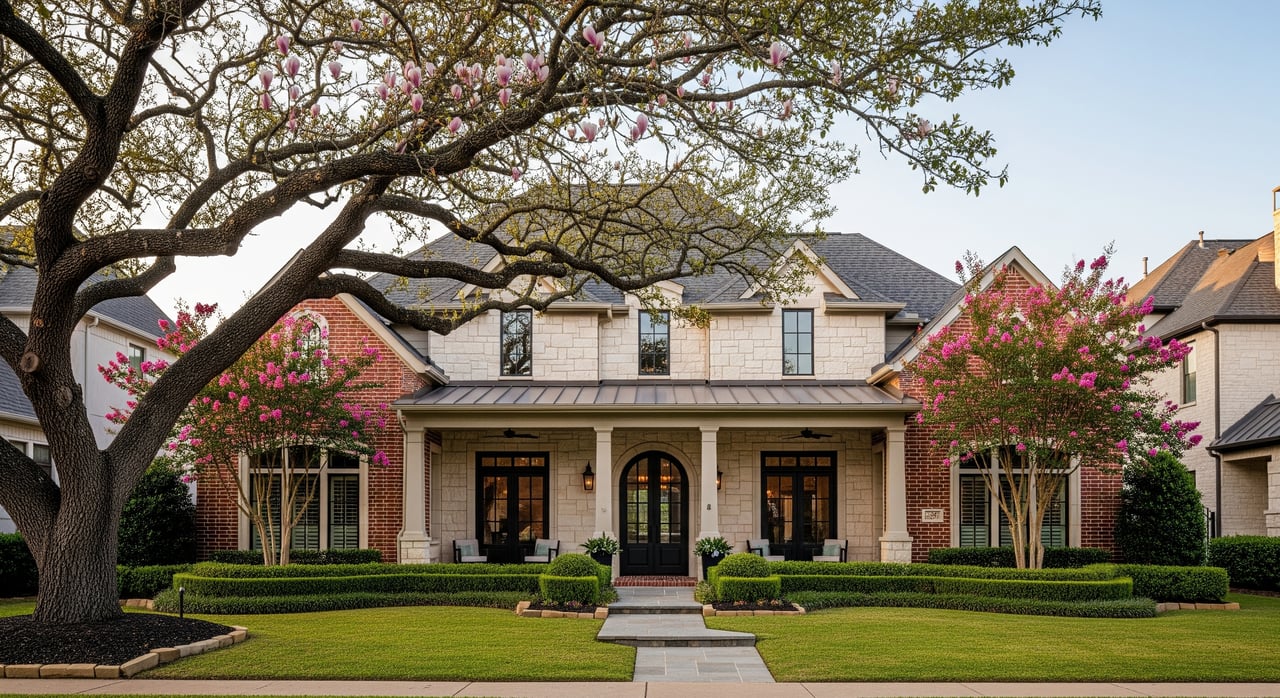
Pricing Your Home in Spring With Comps
January 15, 2026
January 15, 2026
Thinking about listing your Spring, TX home this spring? Choosing the right price in a non-disclosure state like Texas can feel tricky, especially when online estimates do not match what buyers actually pay. You are not alone if you are wondering which comps count and how recent they should be. In this guide, you will learn a simple, MLS-based way to use comparable sales to set a confident list price that attracts strong offers in Spring and greater Harris County. Let’s dive in.
Comparable sales, or “comps,” are recent, nearby homes similar to yours that show what buyers are paying right now. Because Texas is a non-disclosure state, sold prices are not public record. That is why MLS data and local sources like the Houston Association of REALTORS market reports are the most reliable way to ground your pricing.
The goal is simple: estimate what a typical buyer would pay for your home today by using 3 to 6 recent, truly similar sales, plus a look at active, pending, and expired listings for context.
Spring brings more buyers and more listings in the Houston metro, including Spring and nearby suburbs. Higher activity can mean faster offers and tighter negotiations, but it can also tempt sellers to overprice. In a hot spring market, prioritize very recent sales from the last 30 to 90 days. If activity is slower or your home is unique, you can widen the time frame to 3 to 6 months and apply time adjustments.
Before selecting comps, collect the basics about your home so you can match apples to apples:
This information makes your CMA more accurate and helps your agent find precise matches.
Start with the same subdivision if possible. If none are available, look within the same neighborhood and within a short radius typical for suburban areas. Small boundary shifts can change value due to different HOA rules, amenities, or school zoning. Note the boundaries and keep your search consistent.
Focus on the characteristics that buyers compare side by side:
If a comp differs, it can still be useful, but you will need an adjustment to account for the difference.
Flood zones matter in Harris County. Insurance costs and buyer demand can vary by flood designation, so compare properties within similar flood risk when possible. If you must use comps with different flood statuses, note the impact during adjustments.
Including all four views prevents blind spots and helps you avoid overpricing.
Calculate price per finished square foot for each sold comp and use the range and median as a baseline for your home. Then test whether the baseline holds after considering differences in condition, features, and lot size. Be cautious with price-per-foot if a comp has unusual features that do not translate well.
Use a very similar sale as your anchor, then adjust for differences. For example, add value for a renovated kitchen or subtract for an extra bedroom you do not have. The size of adjustments varies by neighborhood, so it is best to rely on MLS evidence and local agent or appraiser guidance when quantifying specific amounts.
If a comp is several months old and market prices have been moving, apply a reasonable time adjustment informed by recent month-over-month trends from HAR’s market snapshots. In a fast-moving spring, this step keeps older comps relevant.
Look for paid closing costs, credits, or special financing that might have boosted or lowered the reported sale price. Adjust for these so your comparison reflects the effective value, not just the headline number.
Once you adjust your sold comps, create a price band: low, median, and high. Then weigh current competition, days on market, and your goals:
The final list price should be both competitive and credible when compared to active and pending listings.
Spring can reward a strong pricing strategy with more showings and faster offers. Prepare early and present your home well. Fresh landscaping, clean exteriors, and bright photos matter more in this season when outdoor spaces shine. If new construction is active nearby, align your finishes and pricing with buyer expectations that those homes set.
In Harris County, your tax-assessed value from the Harris County Appraisal District is for tax purposes. It often lags the market and does not replace a CMA that uses recent MLS sales. If you plan to reference your tax bill, use it only as a data point, not as your target list price.
Because Texas is a non-disclosure state, MLS data and local market reports are essential. Rely on:
Use this step-by-step process with your agent to build a solid pricing plan:
Pricing well is part data and part local insight. A Spring-specific CMA that accounts for subdivision boundaries, flood risk, HOA details, and current buyer behavior can make the difference between sitting on the market and selling with confidence. If you want a clear read on today’s numbers and a tailored pricing plan, connect with The Abiaka Team for a free, no-pressure consultation.
Stay up to date on the latest real estate trends.





Ready to make your move? Start your journey with The Abiaka Team today. Whether you're a first-time homebuyer or seasoned investor, we're here to guide you through the process. Reach out to us, and let’s take the first step toward finding your dream home.