Leave a Message

By providing your contact information to The Abiaka Team, your personal information will be processed in accordance with The Abiaka Team's Privacy Policy. By checking the box(es) below, you consent to receive communications regarding your real estate inquiries and related marketing and promotional updates in the manner selected by you. For SMS text messages, message frequency varies. Message and data rates may apply. You may opt out of receiving further communications from The Abiaka Team at any time. To opt out of receiving SMS text messages, reply STOP to unsubscribe.

Thank you for your message. We will be in touch with you shortly.

Cypress vs. Spring: Which Fits Your Lifestyle?

January 1, 2026

Trying to decide between Cypress and Spring for your next move? You’re not alone. Both offer suburban comfort in Harris County with different vibes, commutes, and housing options. If you want a clear, side‑by‑side feel for how each area fits daily life, you’re in the right place. This guide walks you through neighborhoods, schools, commutes, taxes, flood risk, and how to compare prices the smart way. Let’s dive in.

How we define “Cypress” and “Spring” here

For clarity, this guide focuses on the commonly recognized Harris County portions of each area.

  • Cypress: primarily the 77429 and 77433 ZIP codes.
  • Spring (Harris County): primarily 77373, 77379, and 77388.

Both are unincorporated Harris County communities. That means county agencies and local special districts handle most services, and many neighborhoods are governed by homeowners associations and municipal utility districts. Boundaries can be informal, so always verify property‑specific details before you decide.

Housing and neighborhood feel

Cypress snapshot

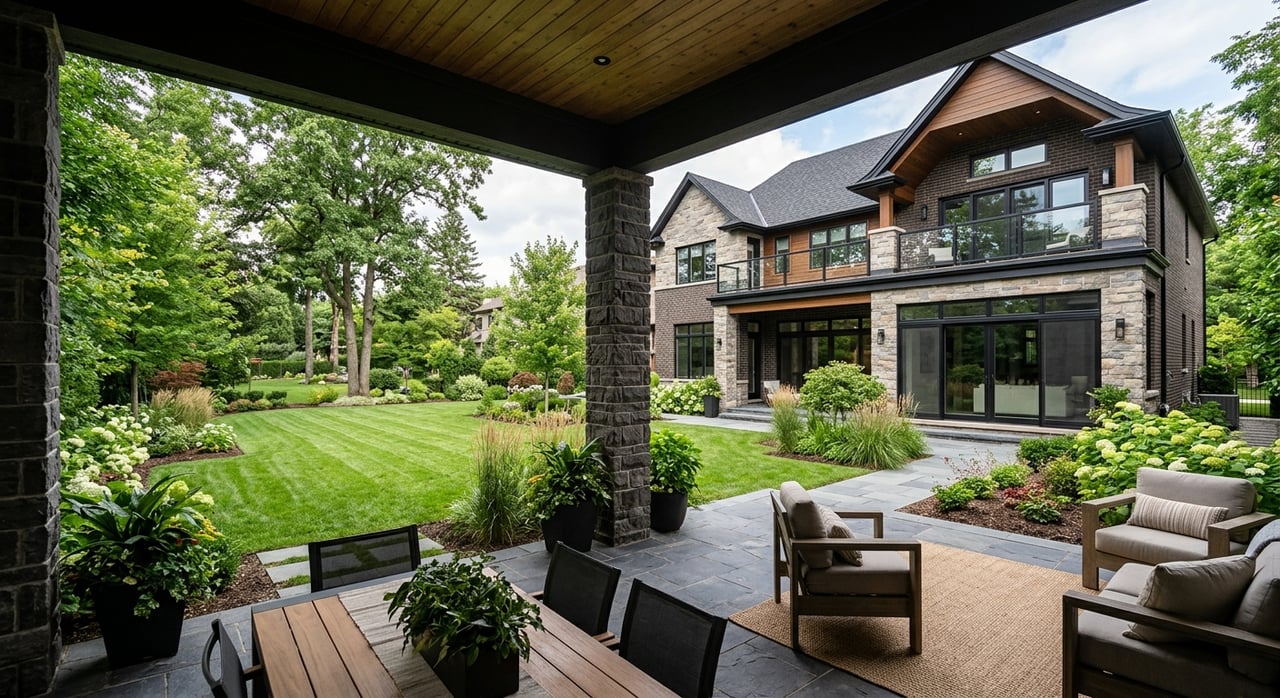
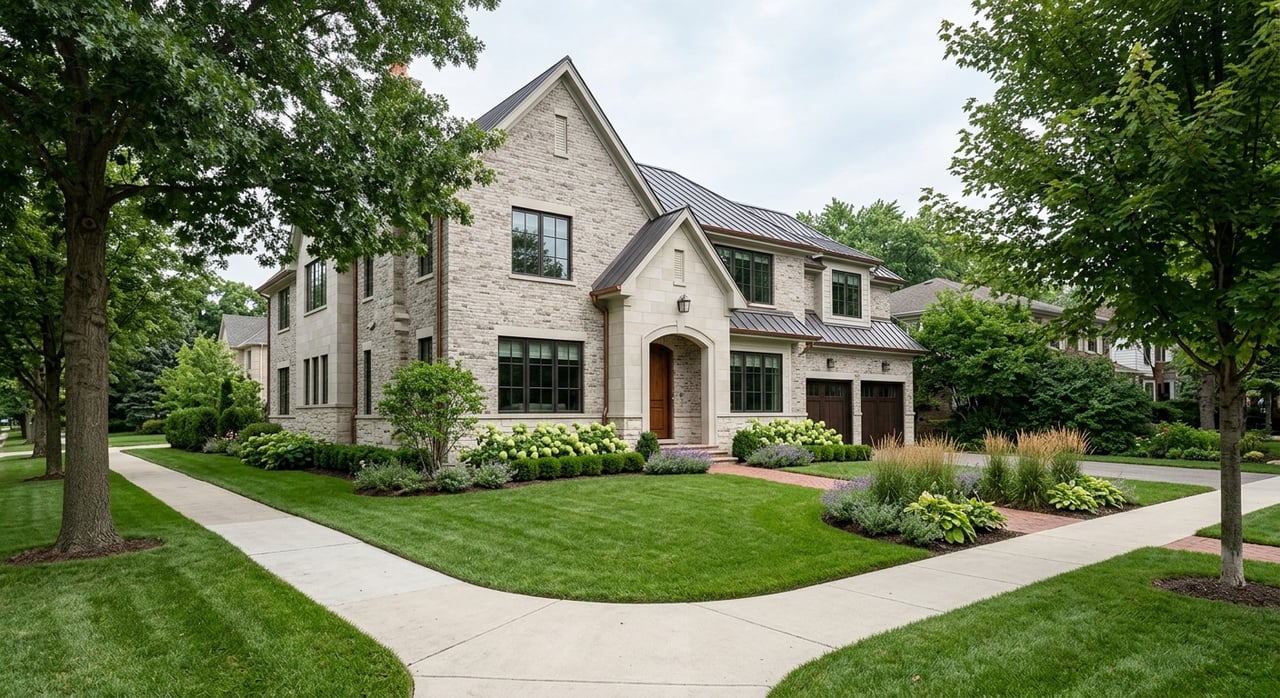
Cypress offers a strong mix of master‑planned communities and established subdivisions. Many neighborhoods feature amenities like pools, splash pads, trails, lakes, and community events. Well‑known master plans such as Bridgeland and Towne Lake highlight planned recreation, walking paths, and active resident programming. You’ll also find older, tree‑lined subdivisions with a more traditional suburban feel.

Spring snapshot

Spring is more varied block to block. You’ll see older, established subdivisions, newer developments, and a distinct historic‑commercial node around Old Town Spring. Its location gives convenient access to The Woodlands area for shopping and entertainment while maintaining its own identity. Lot sizes, home ages, and community amenities can differ widely by subdivision, so neighborhood‑level comparisons are key.

New construction vs. resale

  • New construction often includes builder warranties, energy‑efficient systems, and access to community amenities. It can come with MUD assessments and HOA fees that support those amenities.
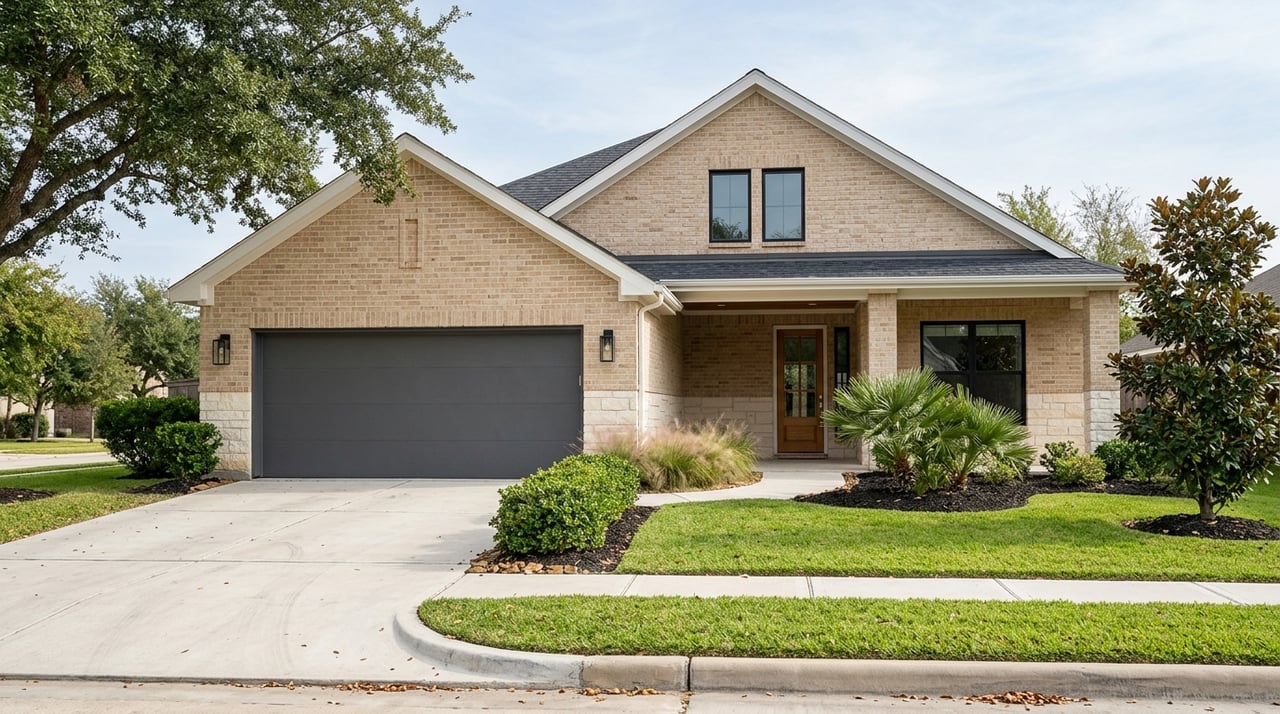
  • Resale homes may offer mature trees, immediate availability, and established neighborhood character. They can also vary in age, upgrades, and maintenance needs.

To see active inventory and what’s selling today, review neighborhood and ZIP‑code market pages on the Houston Association of REALTORS. Focus on days on market, list‑to‑sale trends, and inventory by price band.

How to compare prices today

  • Check current median prices, inventory, and days on market by ZIP on HAR.
  • Review recent comparable sales for the exact subdivision whenever possible.
  • Look at both new‑build and resale options to understand what your budget buys in each area.
  • Track price differences by bedroom count and lot size to match your specific needs.

Schools and student programs

School district boundaries and campus performance can vary within both areas, so it’s important to verify at the address level.

  • Cypress is largely served by Cypress‑Fairbanks ISD (CFISD). Many buyers consider CFISD a draw. Confirm programs and boundaries directly through Cypress‑Fairbanks ISD.
  • Spring is primarily served by Spring ISD, with parts of the area also within Klein ISD. Boundaries do not always align with the “Spring” mailing address. Start with Spring ISD and Klein ISD for current zone information.

For an apples‑to‑apples view, check campus‑level report cards from the Texas Education Agency. Review:

  • Attendance zones for your target addresses
  • Program offerings like AP, IB, magnet, and career‑technical courses
  • Extracurriculars, after‑school options, and available special services

Commute patterns and mobility

Key corridors

  • Cypress: US‑290 and the Grand Parkway (TX‑99) serve most commuters, with connections toward northwest Houston employment centers.
  • Spring: I‑45 runs north‑south, with convenient routes to The Woodlands and central Houston job hubs.

Public transit is limited in these suburban areas, so most residents drive. Many master‑planned communities include trails, but you’ll typically use a car for groceries, services, and commuting. For planning, run live drive‑time checks for your work hours to downtown Houston, the Galleria, the Energy Corridor, and The Woodlands. Compare peak and off‑peak to see which area fits your schedule.

Amenities, dining, and weekend fun

  • Cypress: Expect extensive neighborhood amenities in many master‑planned communities, plus large retail centers, parks, lakeside recreation in some developments, and community programming.
  • Spring: Old Town Spring offers dining, boutiques, seasonal events, and a historic streetscape. Proximity to The Woodlands adds high‑end shopping, restaurants, and entertainment without living inside The Woodlands.

Parks, playgrounds, and youth sports options are widely available in both areas, though access will vary by neighborhood.

Flood risk and insurance basics

Flood exposure is highly localized in both Cypress and Spring. A neighborhood can have a mix of lots with different risk levels.

Important: Always check a specific property’s flood zone, past flood history, and drainage context before you submit an offer.

Use these steps:

  1. View FEMA flood zones and letters of map change through the FEMA Flood Map Service Center.
  2. Review historical studies and local flood information on the Harris County Flood Control District website.
  3. Ask for seller disclosures and any elevation certificate on file.
  4. If a lender requires it or you want added protection, get a flood insurance quote. Many owners outside Special Flood Hazard Areas still choose coverage for peace of mind.

Taxes, MUDs, and HOAs

Because these areas are unincorporated, most owners pay county, school district, and special district taxes. Many neighborhoods are in municipal utility districts that fund water, sewer, and infrastructure. MUDs can carry bond debt that appears on your tax bill.

  • To see a property’s tax history and appraised value, start with the Harris County Appraisal District.
  • Then confirm any MUD, PUD, or other special district assessments listed on the tax bill.
  • Compare HOA fees across neighborhoods, and note what is included, such as pools, trails, clubhouse access, or exterior maintenance for certain property types.

A simple budgeting tip: calculate your payment using principal and interest, plus estimated taxes and HOA dues. If flood insurance is required or desired, include that estimate too.

Safety and crime context

Crime patterns vary by neighborhood and can change over time. Rather than relying on broad community generalizations, review official local law enforcement tools and recent reports for the specific subdivisions you’re considering. Talk with your agent about reading trends, not just snapshots, to understand context.

Which area fits your lifestyle?

Use these questions to narrow your fit:

  • Do you want newer master‑planned amenities, or do you prefer established neighborhoods with mature trees?
  • Will your commute work better with US‑290 and TX‑99, or with I‑45 and routes toward The Woodlands or central Houston?
  • Which specific campuses serve your target addresses, and how do those programs align with your needs?
  • Are you comfortable with typical HOA rules and MUD taxes in a particular neighborhood?
  • What does flood risk look like for the exact homes on your shortlist?

Both Cypress and Spring offer compelling options. The right choice depends on your daily routine, budget, school preferences, commute, and comfort with HOA and MUD structures. If you want support comparing homes side by side, we can help you analyze real‑time data and plan your next steps.

Ready to explore homes and make a confident choice? Connect with The Abiaka Team for a friendly, local walkthrough of Cypress and Spring, complete with custom comp reports, school and commute checks, and property‑level flood and tax insights.

FAQs

How do Cypress and Spring boundaries work for home searches?

  • Both are unincorporated areas with informal boundaries. For this guide, we focus on Cypress 77429/77433 and Spring 77373/77379/77388 in Harris County. Always verify the exact subdivision and special districts tied to a property.

Where can I check school ratings and zones in Cypress and Spring?

How do I compare current home prices between the two areas?

  • Review live neighborhood and ZIP reports on the Houston Association of REALTORS, focusing on median price, inventory, and days on market by bedroom count and subdivision.

What should I know about flood risk before buying in either area?

How do property taxes and MUD fees affect my monthly budget?

  • Look up assessed value and tax entities on the Harris County Appraisal District, identify any MUD assessments, and add estimated taxes, HOA dues, and any flood insurance to your principal and interest to see your true monthly cost.

Is new construction or resale a better value in Cypress or Spring?

  • It depends on your priorities. New builds offer warranties and modern systems, while resales can provide immediate occupancy and mature surroundings. Compare both in your price range using live HAR data and neighborhood‑specific comps.

Work With Us

Ready to make your move? Start your journey with The Abiaka Team today. Whether you're a first-time homebuyer or seasoned investor, we're here to guide you through the process. Reach out to us, and let’s take the first step toward finding your dream home.