
New Construction vs. Resale Homes in Waller
December 18, 2025
December 18, 2025
Thinking about buying in Waller and torn between a shiny new build and a charming resale? You are not alone. Many buyers compare the promise of modern features and warranties with the value and character of established homes. In this guide, you will learn how costs, timelines, financing, and Waller-specific factors stack up so you can choose with confidence. Let’s dive in.
Waller sits within Greater Houston’s northwest growth corridor. Buyers are drawn to its mix of semi-rural and suburban neighborhoods, larger lots compared with closer-in suburbs, and access to new subdivisions. These local dynamics influence whether a new build or a resale makes more sense for you.
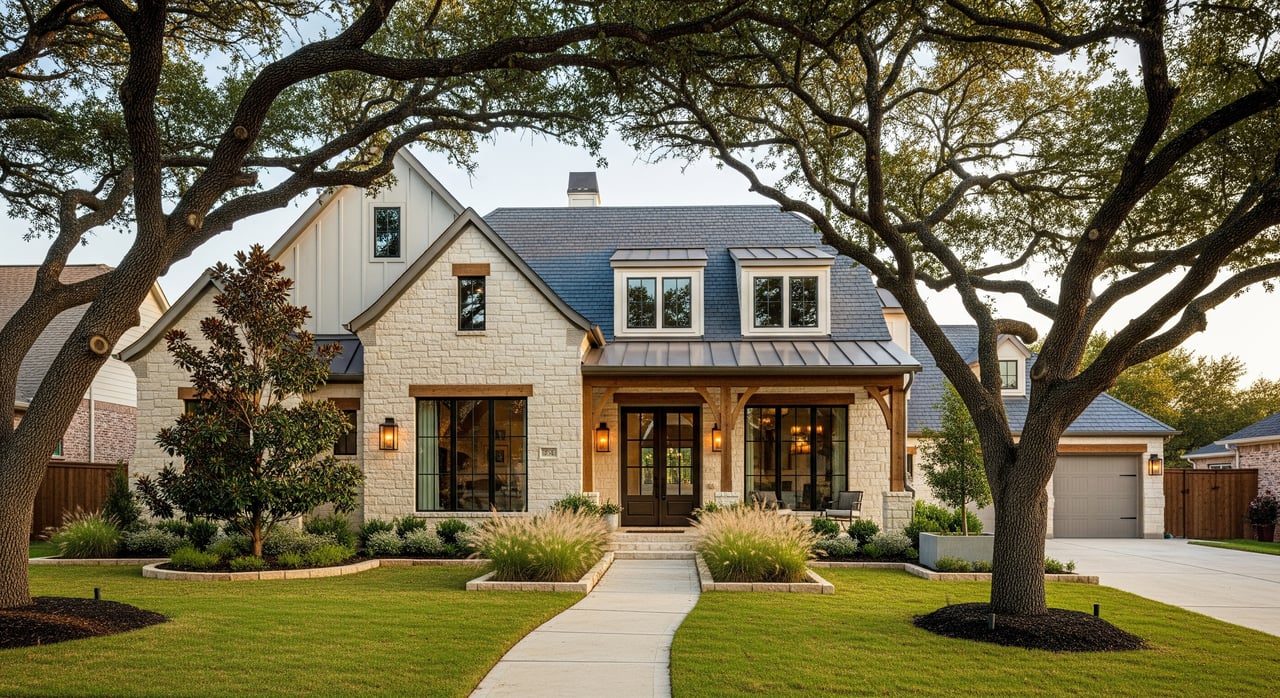
If you value customization, newer systems, and lower initial maintenance, new construction can be appealing. Builders in growing areas often offer incentives that improve affordability, and newer homes typically follow the latest codes and efficiency standards.
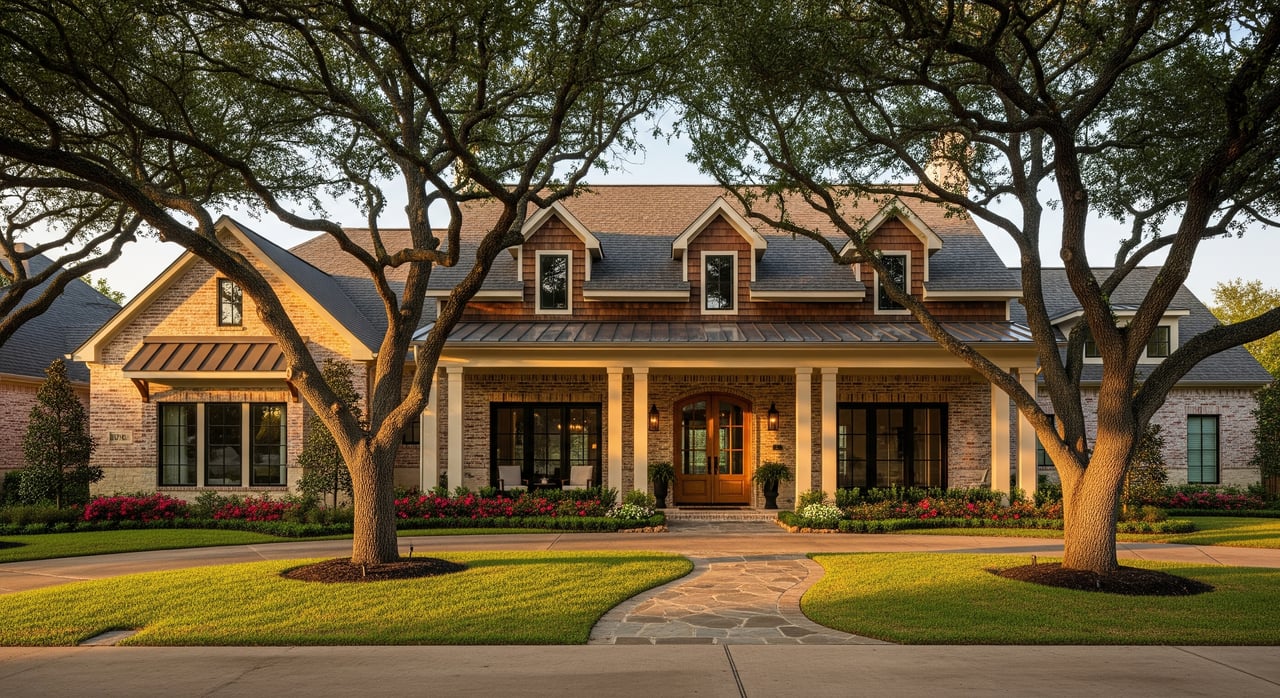
If you want a more established neighborhood, mature landscaping, or faster move-in, resale is often the better fit. You might also find a lower price per square foot in older communities, though you should budget for updates.
New construction often lists higher per square foot, but that price can include modern finishes, appliances, and a builder warranty. Many builders also offer incentives like interest rate buydowns, closing cost credits, or design upgrades that lower your effective cost. Resale homes may come at a lower list price, yet you should plan for repairs or renovations such as roof, HVAC, or cosmetic updates.
Property taxes are set by local taxing entities. New homes may have different appraisals in their first years. Some new subdivisions add lot premiums, impact fees, or development assessments, while established areas might not. Always review the specific tax rate, any assessments, and utility connection fees for the property you are considering.
With new builds, initial maintenance costs are often lower. Resale homes can deliver savings up front, but you may spend more on upgrades to match modern styles and efficiency. Factor these into your total first-year budget so you compare apples to apples.
Building from contract to move-in can take several months, especially if you are selecting finishes or building on a new lot. Weather, supply chains, and permitting can cause delays. If speed matters, a move-in ready spec home can shorten the wait.
Resale purchases often close within 30 to 45 days once inspections and financing are complete. If you have a firm move-by date, the relative certainty of a conventional resale timeline can be a major advantage.
New construction gives you a chance to select floor plans, finishes, and upgrades, especially if you buy early in a community phase. Model and spec homes allow limited customization but can offer a faster path to closing. Resale properties come as they are. You can renovate, but that takes added time and budget.
New homes are generally built to current local codes and often include improved insulation, efficient HVAC systems, and updated windows and water heaters. Look for documentation such as Energy Star or HERS ratings when available. Resale homes vary widely. Efficiency upgrades can boost comfort and lower utility bills over time, which matters for long-term ownership costs.
Builders usually provide limited warranties that may cover workmanship and structural items for defined periods. The scope varies, so get it in writing and understand the claims process. Independent inspections are still wise. Schedule them at key stages such as pre-drywall and before your final walk-through to document defects and confirm quality.
Order a general home inspection and bring in specialists as needed. Examples include roof, HVAC, pest, plumbing, or a sewer or septic inspection depending on the property. Seller disclosures and maintenance records can help you assess condition and negotiate repairs or credits.
You can use a standard mortgage for completed spec homes or consider construction-to-permanent financing for a ground-up build. Some rural loan programs, including USDA, may be available in parts of Waller County depending on the property. Be aware that generous builder incentives can affect appraisals and lender rules, so review how your lender treats credits and buydowns.
Conventional, FHA, VA, and other common loan programs are typically available for resale purchases. Appraisals rely on neighborhood comparables, so recent sales nearby will influence value. If you plan major renovations, get estimates early to budget properly.
Flood exposure in Waller County is parcel-specific. Review flood maps and ask about elevation requirements or local drainage and retention features. If a property lies in a higher-risk flood zone, your lender may require flood insurance. This can affect your monthly payment and long-term costs.
Some Waller-area neighborhoods have municipal utilities. Others rely on wells and septic systems. Confirm utility availability, connection fees, and any septic or wastewater easements before you commit. If a property uses a septic system, plan for a specialist inspection.
Addresses in the City of Waller are generally associated with Waller ISD, but attendance zones can vary by neighborhood. Verify district boundaries for the specific property you are considering. Also check access to emergency services, broadband options, and public amenities, since these can differ by area.
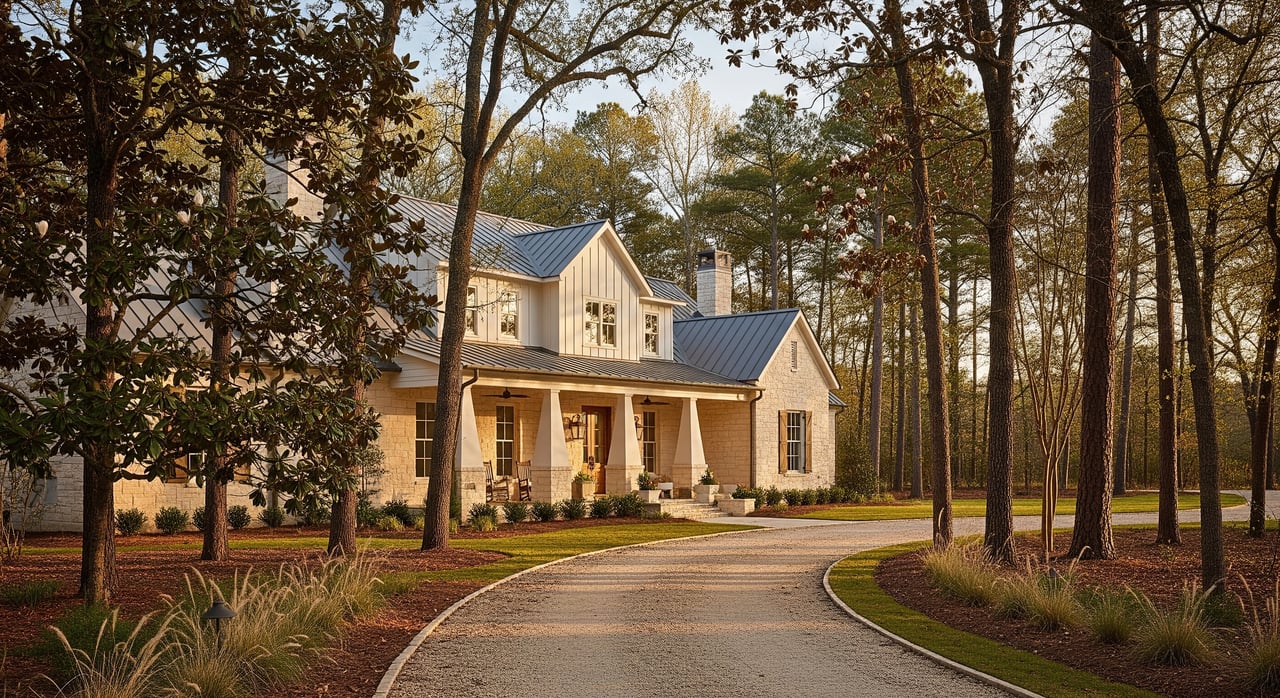
New subdivisions may have evolving amenities and active HOA rules that shape landscaping, parking, or exterior changes. Established neighborhoods often have more mature trees and community character, but infrastructure like streets and drainage may be older. Review covenants, fees, and any special assessments so you know what to expect.
Local permitting timelines, inspections, and potential rezonings can influence your move-in date and long-term property value. Ask about planned phases or nearby projects that could add amenities or increase traffic over time.
Waller’s proximity to major Houston-area employment centers makes commuting a key consideration. Confirm access to highways and monitor any planned infrastructure improvements that may affect drive times.
Choose new construction if you want newer systems, ability to customize, and a warranty-backed start, and you can wait for completion. Choose resale if you prefer established neighborhoods, mature landscaping, a potentially lower price per square foot, and a faster move-in. In both cases, compare total first-year costs, review risk factors like flood exposure, and match financing to your plan.
You deserve a clear, local roadmap for buying in Waller. If you want a side-by-side comparison tailored to your budget, timeline, and neighborhood preferences, connect with The Abiaka Team. We combine neighborhood insight across northwest Houston with a friendly, step-by-step process that helps you move forward with confidence. Schedule your next move with The Abiaka Team.
Stay up to date on the latest real estate trends.


Ready to make your move? Start your journey with The Abiaka Team today. Whether you're a first-time homebuyer or seasoned investor, we're here to guide you through the process. Reach out to us, and let’s take the first step toward finding your dream home.